
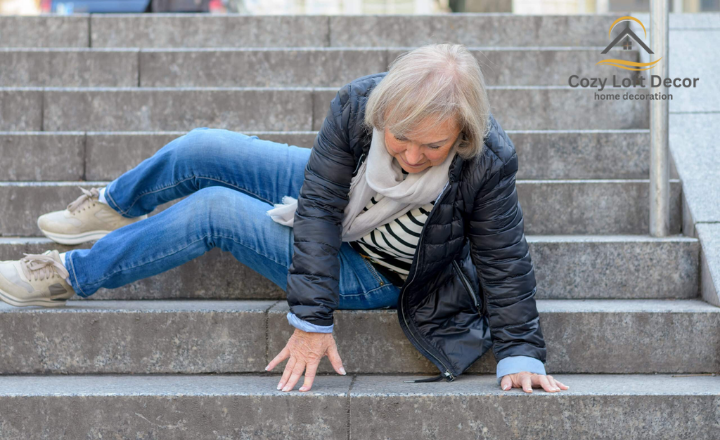
First Aid for Falls and Impact Injuries is an essential skill that can help reduce pain, prevent complications, and promote faster recovery. Falls and sudden impacts are common at home, work, or outdoors, making immediate care crucial. Knowing how to respond quickly can minimize swelling, bruising, and the risk of further injury.
Proper first aid also helps identify when professional medical attention is needed. From minor bumps to more serious injuries, the right actions can make a significant difference. Being prepared ensures safety, confidence, and better outcomes in emergency situations.
Why Falls and Impact Injuries Require Careful Response
Impact injuries place sudden force on the body. Even when there are no visible wounds, internal damage may still be present. Moving someone too quickly or ignoring symptoms can worsen injuries, particularly to the spine, head, or joints.
Falls are especially concerning because they can:
- Cause fractures or dislocations
- Lead to head or neck injuries
- Trigger internal bleeding
- Result in shock or delayed symptoms
Taking a cautious approach protects the injured person while professional care is arranged if needed.
Ensuring Scene Safety Before Helping
Before assisting someone who has fallen, it is essential to make sure the surrounding area is safe. Slippery surfaces at home, traffic, unstable furniture, or falling objects can put both the injured person and the helper at risk.
Key safety checks include:
- Removing immediate hazards
- Ensuring stable footing
- Keeping bystanders at a safe distance
- Avoiding rushed movements
Once the area is secure, attention can shift fully to the injured individual.
Assessing the Person Without Moving Them
After a fall, assessment should be done without forcing movement. The injured person should remain still until it is clear that moving them is safe.
Initial assessment includes:
- Asking if they are conscious and alert
- Checking for pain, dizziness, or confusion
- Observing breathing and skin color
- Looking for visible deformities or bleeding
If there is severe pain, numbness, or inability to move, the person should remain in place.
Recognizing When Not to Move Someone
One of the most important first aid principles after a fall is knowing when not to move the injured person. Movement can worsen spinal or internal injuries.
Avoid moving the person if:
- They complain of neck or back pain
- There is loss of consciousness
- Limbs appear deformed
- There is severe pain with movement
Stabilizing the person and seeking medical help is often the safest choice.
Managing Minor Falls Safely
Not all falls result in serious injury. If the person is alert, able to move comfortably, and shows no warning signs, minor care may be appropriate.
Safe steps include:
- Encouraging slow, careful movement
- Helping them sit or rest
- Applying cold packs to reduce swelling
- Monitoring for delayed pain or dizziness
Even after a minor fall, observation is important in the hours that follow.
Controlling Bleeding From Impact Injuries
Falls can cause cuts or abrasions that bleed. Bleeding should be addressed promptly but gently.
Bleeding control involves:
- Applying steady pressure with a clean cloth
- Elevating the injured area if appropriate
- Avoiding excessive pressure on suspected fractures
- Monitoring bleeding until it stops
Severe or uncontrolled bleeding requires immediate medical attention.
Responding to Head Impact
Any fall involving a blow to the head should be taken seriously, even if the person seems fine initially. Symptoms may be delayed.
Warning signs after head impact include:
- Headache or nausea
- Confusion or memory problems
- Drowsiness or difficulty staying awake
- Unequal pupils or slurred speech
Medical evaluation is recommended if any of these signs appear.
Supporting Someone With Suspected Fractures
Fractures may not always be obvious. Pain, swelling, and limited movement can indicate a broken bone.
Support involves:
- Keeping the injured area still
- Avoiding attempts to straighten limbs
- Supporting the limb in a comfortable position
- Applying cold packs around not directly on painful areas
Stabilization helps prevent further injury until professional care is available.
Monitoring for Shock After a Fall
Shock can occur after significant trauma, even without visible bleeding. It is a medical emergency that requires prompt action.
Signs of shock include:
- Pale or clammy skin
- Rapid breathing
- Weak or rapid pulse
- Confusion or restlessness
Keeping the person warm, calm, and still while waiting for help is critical.
Special Considerations for Older Adults
Older adults are at higher risk of serious injury from falls due to reduced bone density and balance changes. Even low-impact falls can have serious consequences.
Extra caution includes:
- Avoiding rushed assistance
- Monitoring closely for pain or confusion
- Being alert for delayed symptoms
- Seeking medical evaluation when uncertain
Age increases risk, making careful response essential.
Helping Children with First Aid for Falls and Impact Injuries
Children often fall during play, and while many injuries are minor, careful assessment is still needed.
Supporting children includes:
- Staying calm to reduce fear
- Checking for pain or unusual behavior
- Watching for vomiting or drowsiness after head impact
- Explaining actions in reassuring language
Children may hide pain, so observation is key.
When to Call for Emergency Help
Emergency medical services should be contacted if:
- The person is unconscious or unresponsive
- There is severe pain or deformity
- Breathing is affected
- There are signs of head or spinal injury
- Bleeding cannot be controlled
When in doubt, it is safer to seek professional help.
Aftercare and Observation
Even when injuries appear minor, continued observation is important. Symptoms can develop hours after a fall.
Aftercare includes:
- Encouraging rest
- Avoiding strenuous activity
- Monitoring for worsening pain
- Seeking medical advice if symptoms change
Early intervention prevents complications.
Why Preparedness Makes a Difference
Prepared individuals respond more calmly and safely during falls and impact injuries. Knowledge reduces panic and helps prevent harmful actions.
Preparedness supports:
- Safer assessment
- Better decision-making
- Reduced injury severity
- Improved outcomes
Confidence comes from understanding how to respond correctly.
The Value of Ongoing First Aid Education
Falls can happen at any time. Regular refreshers ensure responses remain effective and up to date.
Continued learning promotes:
- Accurate technique
- Faster recognition of danger signs
- Greater confidence under pressure
- Better protection for others
Preparedness is a lifelong skill.
Conclusion
Falls and impact injuries are common, but their consequences depend greatly on how they are handled. Ensuring scene safety, assessing without rushing, knowing when not to move someone, and monitoring for warning signs all play a vital role in protecting the injured person. Whether the fall is minor or serious, a calm and informed response reduces risk and supports recovery.