
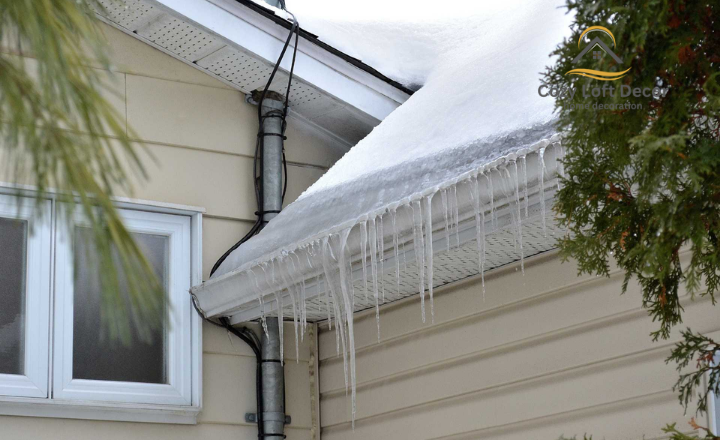
Gutter and Roofing – What Winter Might Bring is an important topic for homeowners preparing for harsh seasonal conditions. Winter weather can put significant stress on roofs and gutter systems through snow, ice, and freezing temperatures. Poorly maintained gutters may lead to ice dams, leaks, and structural damage.
Roofing materials can crack or weaken under constant moisture and cold. Understanding what winter might bring helps prevent costly repairs. Proper preparation ensures your gutter and roofing systems remain strong and functional all season long.
Snow Along Roof Edges
Snow along roof edges is a common winter issue that can signal potential roofing and gutter problems. When snow accumulates at the edges, it often melts and refreezes, leading to ice dams that block proper water drainage. This trapped moisture can seep under shingles and cause leaks or interior damage.
Heavy snow buildup also adds extra weight, stressing roof structures and gutters. Regular snow removal and proper insulation help reduce risks associated with snow along roof edges.
Overnight Refreeze
Overnight refreeze occurs when melted snow or ice cools rapidly as temperatures drop after sunset. This process can cause water along roof edges and in gutters to turn back into ice, increasing the risk of ice dams. Repeated freezing and thawing puts stress on roofing materials and can lead to cracks or leaks.
It also blocks proper drainage, allowing water to back up under shingles. Addressing insulation, ventilation, and gutter maintenance helps minimize damage from overnight refreeze.
Gutter Ice
Gutter ice forms when melting snow refreezes inside gutters during cold temperatures. This ice buildup can block proper water flow, causing overflow that may damage siding, fascia, and foundations. Over time, the added weight of ice can pull gutters loose or cause them to crack.
Gutter ice also contributes to ice dams, increasing the risk of roof leaks. Keeping gutters clean and ensuring proper drainage helps prevent gutter ice problems in winter.
Weight Strain
Weight strain occurs when heavy snow and ice accumulate on roofs and gutters during winter. This added load can stress structural components, leading to sagging gutters or weakened roof supports. Prolonged weight strain increases the risk of cracks, leaks, or even partial collapse in severe cases.
It can also damage fasteners and joints over time. Regular snow removal and timely inspections help reduce weight strain and protect your home’s structure.
Clogged Downspouts
Clogged downspouts occur when leaves, debris, or ice block the flow of water away from the roof. During winter, these blockages can cause water to back up and freeze, increasing the risk of gutter damage and ice dams. Overflowing water may also seep into walls or pool near the foundation.
Over time, clogged downspouts can lead to costly structural repairs. Keeping downspouts clear and properly maintained ensures safe drainage throughout the winter season.
Icicle Formation
Icicle formation happens when melting snow on the roof refreezes as it drips off edges, creating sharp ice formations. While icicles may look picturesque, they indicate poor insulation, inadequate ventilation, or blocked gutters. Large icicles can damage gutters, siding, and even pose a safety hazard if they fall.
They also contribute to ice dams, which allow water to seep under shingles and cause roof leaks. Preventing icicle formation involves proper roof insulation, clear gutters, and timely snow removal.
Moisture in Soffits
Moisture in soffits occurs when trapped water or condensation builds up beneath roof overhangs during winter. This can result from ice dams, clogged gutters, or poor attic ventilation. Over time, excess moisture can lead to wood rot, mold growth, and damage to fascia boards.
It may also attract pests seeking damp environments. Proper insulation, ventilation, and gutter maintenance help prevent moisture accumulation in soffits and protect your home’s structural integrity.
Bent Gutters
Bent gutters happen when heavy snow, ice, or accumulated debris puts excessive pressure on gutter systems. This weight can cause gutters to sag, pull away from the fascia, or lose their proper slope for drainage. Bent gutters reduce water flow efficiency, leading to overflow, foundation damage, or roof edge issues.
Regular cleaning, timely snow removal, and reinforcing gutter attachments can help prevent bending and maintain proper function.