
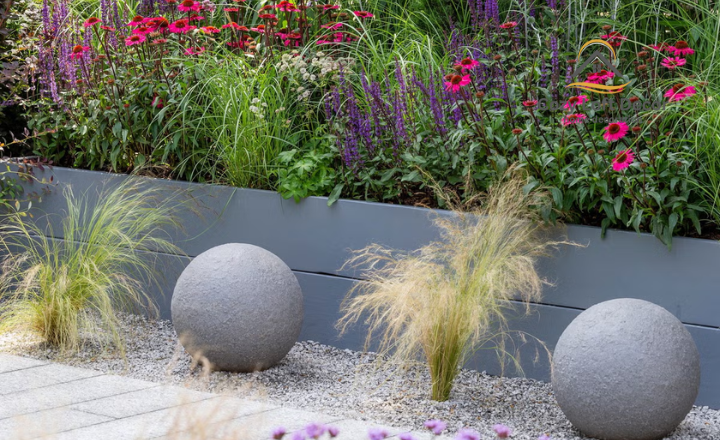
Creating a garden that stays vibrant without demanding constant attention is easier than many imagine, and the 10 Best Tips for Designing your Gardens offer the perfect starting point. Today’s gardening trends emphasize working with nature through smart plant choices and thoughtful layout planning. A sustainable garden not only saves time and effort but also conserves water and nurtures local ecosystems. By selecting climate-friendly plants and using efficient watering methods, you can enjoy a flourishing outdoor space year-round.
These tips help transform any landscape big or small ninto an eco-friendly retreat. Low-maintenance design also reduces long-term costs and maintenance stress. With the right strategies, your garden becomes both beautiful and resilient. Sustainability encourages healthier soil, stronger plants, and a naturally balanced environment. Let these expert-backed tips inspire you to create a garden that thrives effortlessly and responsibly.
How To Maintain A Sustainable Garden?
Here you can check the best garden design ideas for your outdoor garden and we are showing you low-maintenance garden designs to make your sustainable garden.
Choose Strategic Paint Colors For Outdoor Furniture
Choosing strategic paint colors for outdoor furniture can instantly elevate the look of your garden or patio while creating a cohesive, inviting atmosphere. Opt for shades that complement your landscape earthy greens, warm neutrals, or soft blues blend beautifully with natural surroundings. Bold colors like mustard, terracotta, or navy can make key pieces stand out as stylish focal points.
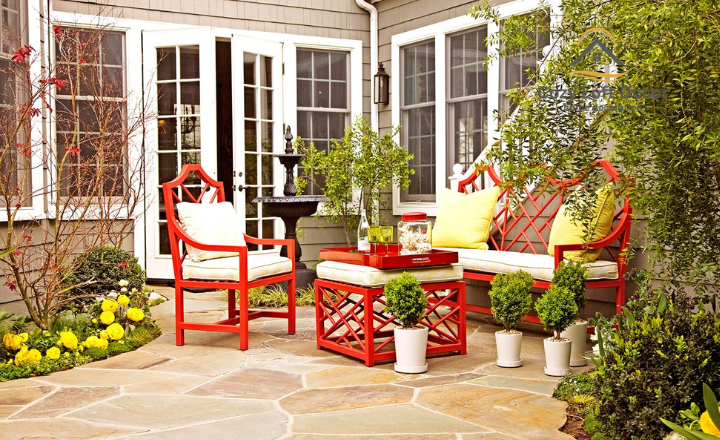
For a timeless look, consider muted tones that weather gracefully over time. UV-resistant and outdoor-grade paints ensure durability and long-lasting vibrancy. With the right color choices, your furniture not only enhances the overall aesthetic but also contributes to a more harmonious and joyful outdoor space.
Use Gravel Ground To Define Your Garden Pathways
Using gravel ground to define your garden pathways is an easy and stylish way to add structure, texture, and charm to your outdoor space. Gravel paths naturally guide movement through the garden while blending seamlessly with both modern and rustic landscapes. They are cost-effective, quick to install, and excellent for drainage, making them ideal for low-maintenance garden designs.
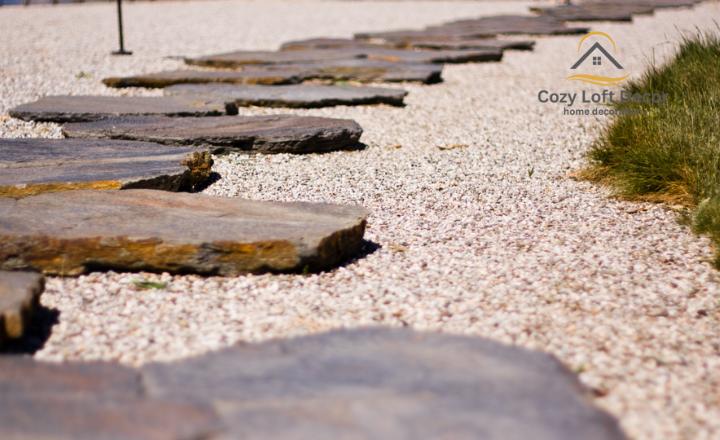
The subtle crunch underfoot also adds a pleasant sensory experience. With options ranging from fine pea gravel to decorative stone chips, you can customize the look to match your overall aesthetic. When edged with timber, bricks, or plants, gravel pathways create beautiful boundaries that keep the garden organized and visually appealing
Add Window Boxes For Additional Planting Space
Adding window boxes for additional planting space is a charming and practical way to enhance your home’s exterior while maximizing limited garden areas. These compact planters allow you to grow flowers, herbs, or trailing greenery right outside your windows, bringing color and life to even the smallest spaces. Window boxes create a delightful visual accent, softening architectural lines and adding personality to your facade can create best tips for designing your gardens.
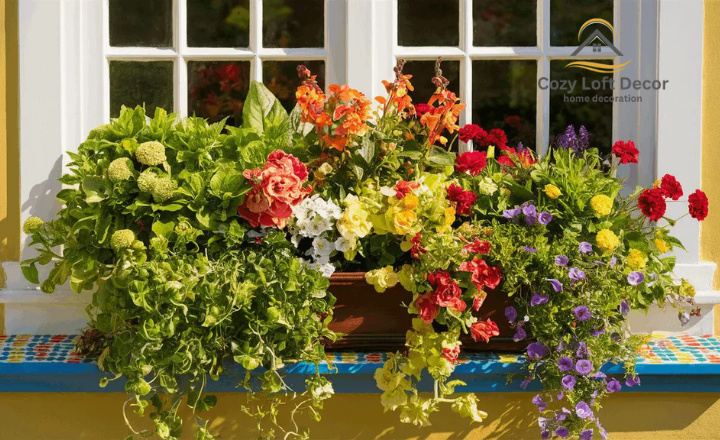
They are perfect for apartments, small yards, or homes with minimal garden beds. With the right mix of plants like vibrant annuals, cascading vines, or fragrant herbs you can enjoy a lush, ever-changing display throughout the year. Easy to maintain and endlessly customizable, window boxes make your home feel more vibrant, inviting, and connected to nature.
Incorporate Native Plantings For Low Maintenance
Incorporating native plantings for low maintenance is one of the most effective ways to create a garden that thrives naturally with minimal effort. Native plants are already adapted to your local climate, soil, and rainfall conditions, which means they require far less watering, fertilizing, and pest control. They establish quickly, stay healthier longer, and support local wildlife such as bees, butterflies, and birds can provide best tips for designing your gardens.
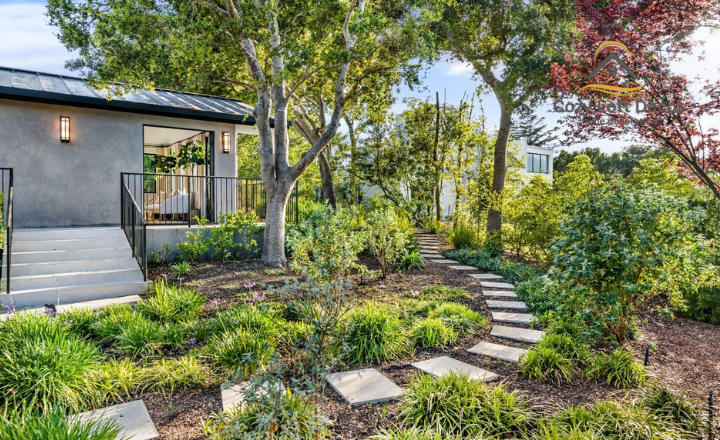
Because these plants are naturally resilient, they reduce the need for constant upkeep or chemical treatments. Native species also blend beautifully with the surrounding landscape, giving your garden an authentic and harmonious feel. By choosing plants that belong to your region, you create a sustainable, eco-friendly space that remains vibrant and easy to care for year-round.
Install A Faux Plant Wall For A Green Look Year-Round
Installing a faux plant wall for a green look year-round is a stylish and practical solution for adding lush greenery without the constant upkeep of live plants can provide best tips for designing your gardens. These artificial walls bring the visual appeal of a vibrant garden to patios, balconies, or indoor spaces, maintaining their fresh appearance in any season. Faux plant walls are perfect for areas with limited sunlight or challenging growing conditions, offering instant texture, color, and depth.
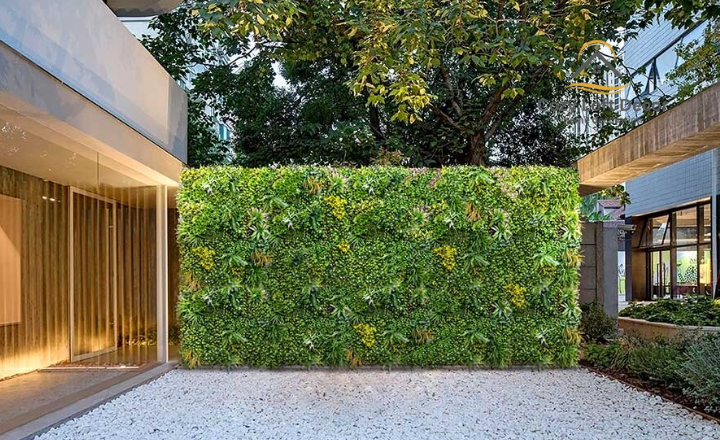
They require minimal maintenance no watering, pruning, or fertilizing while still providing the calming and aesthetic benefits of natural greenery. Available in a variety of styles and plant types, these walls can be customized to match your overall garden or interior design. By installing a faux plant wall, you enjoy a vibrant, evergreen backdrop that enhances your space effortlessly and sustainably.
Set Up A Hammock With A View For Relaxation
Setting up a hammock with a view for relaxation is an effortless way to create a serene retreat in your garden or backyard. Position it where you can enjoy the best scenery whether it’s overlooking flower beds, a water feature, or a distant landscape. A hammock invites you to unwind, read a book, or simply enjoy nature, turning your outdoor space into a personal sanctuary.
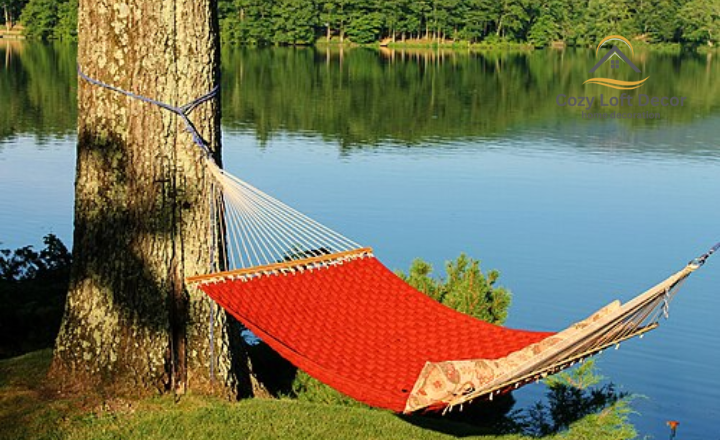
Choose a sturdy frame or anchor it securely between trees to ensure comfort and safety. Adding cushions or a lightweight blanket enhances coziness and encourages longer relaxation sessions. By incorporating a hammock into your garden design, you combine functionality, comfort, and aesthetic appeal, creating a space where you can recharge while surrounded by natural beauty.
Best Tips for Designing your Gardens A Floral Driveway For A Grand Entrance
Designing a floral driveway for a grand entrance is a striking way to make a lasting impression while enhancing your home’s curb appeal. Lining the driveway with colorful flowers, flowering shrubs, or low-maintenance perennials creates a welcoming and elegant pathway. Consider symmetry or layered planting for a more formal look, or mix textures and heights for a natural, cottage-style charm.
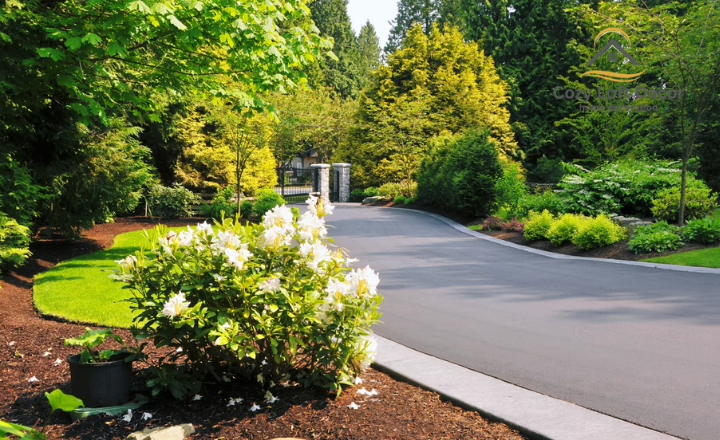
Flowering borders can be complemented with gravel, stone, or edging to define the space and keep it tidy. Seasonal blooms ensure your driveway stays vibrant throughout the year, while hardy, drought-tolerant plants reduce maintenance needs. A floral driveway not only elevates the overall aesthetic but also adds a touch of personality, making your home feel inviting and memorable from the very first glance.
Add An Alfresco Bar For Outdoor Entertainment that provide Best Tips for Designing your Gardens
Adding an alfresco bar for outdoor entertainment is a stylish and functional way to elevate your garden or patio experience. It creates a dedicated space for socializing, serving drinks, and hosting gatherings, making outdoor living more enjoyable and versatile. Choose durable, weather-resistant materials such as stone, wood, or metal to ensure longevity and minimal maintenance.
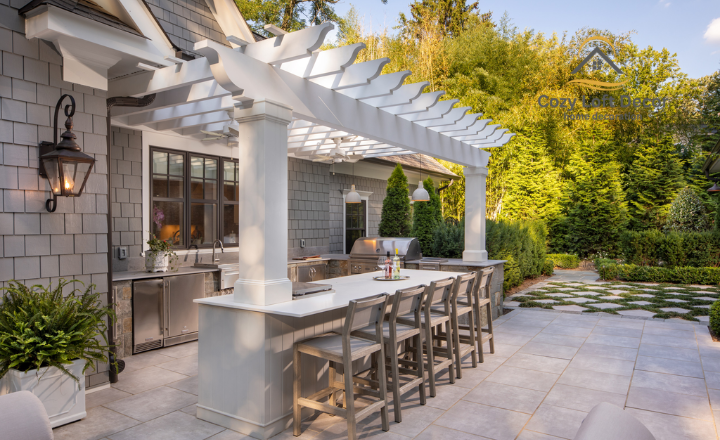
Incorporate seating, lighting, and storage to make the area comfortable and practical for guests. A well-designed alfresco bar can complement your garden’s aesthetic while serving as a focal point for entertaining can give best tips for designing your gardens. Whether for casual family evenings or lively parties, this feature enhances your outdoor space, offering a blend of relaxation, style, and convenience.
Plant Olive And Cypress Trees For A Mediterranean Vibe
Planting olive and cypress trees for a Mediterranean vibe is a timeless way to give your garden a classic, sun-kissed appearance. Olive trees, with their silvery-green leaves and sculptural trunks, bring elegance and a sense of history, while tall, slender cypress trees add vertical structure and drama. Both species are drought-tolerant and low-maintenance, making them ideal for sustainable landscaping.
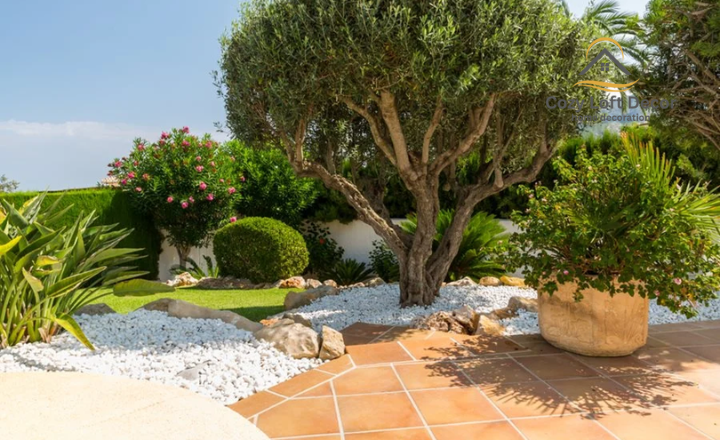
Together, they evoke the relaxed, warm ambiance of coastal Mediterranean gardens and pair beautifully with lavender, rosemary, and terracotta accents. Strategically positioning these trees can create natural focal points, shade, and privacy while enhancing the overall aesthetic can give best tips for designing your gardens. By incorporating olive and cypress trees, you transform your outdoor space into a serene, timeless retreat reminiscent of southern Europe.
Build A Seating Platform For An Outdoor Lounge
Building a seating platform for an outdoor lounge is a practical and stylish way to create a defined space for relaxation and socializing in your garden or backyard. A raised platform adds structure and visual interest while providing a comfortable base for outdoor furniture, cushions, and decor. Using durable materials like treated wood, composite decking, or stone ensures longevity and low maintenance.
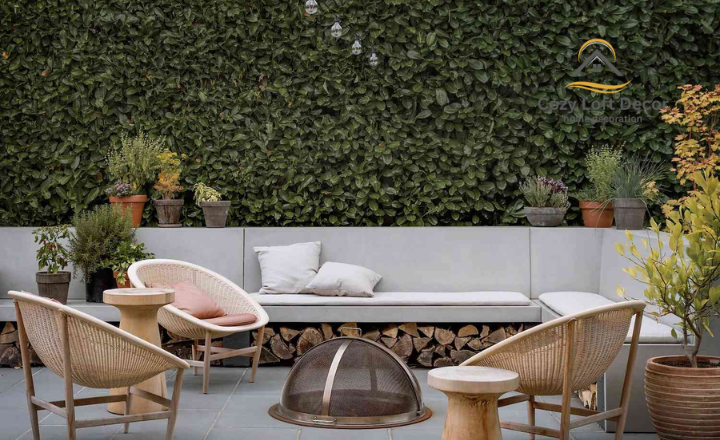
You can customize the platform’s size and shape to fit your space, incorporate built-in benches or storage, and even add pergolas or planters for added ambiance. A well-designed seating platform not only enhances functionality but also creates a cozy, inviting area where friends and family can gather, unwind, and enjoy the outdoors in style that provide best tips for designing your gardens.
Add Spilling Bougainvillea For A Vibrant Color | Sustainable Garden
Adding spilling bougainvillea for a vibrant color is an excellent way to bring bold, eye-catching beauty to a sustainable garden. Bougainvillea is a hardy, drought-tolerant plant that thrives in sunny conditions, making it low-maintenance and eco-friendly. Its cascading growth can soften walls, fences, trellises, or pergolas, creating a natural, flowing effect that adds depth and texture to your outdoor space.
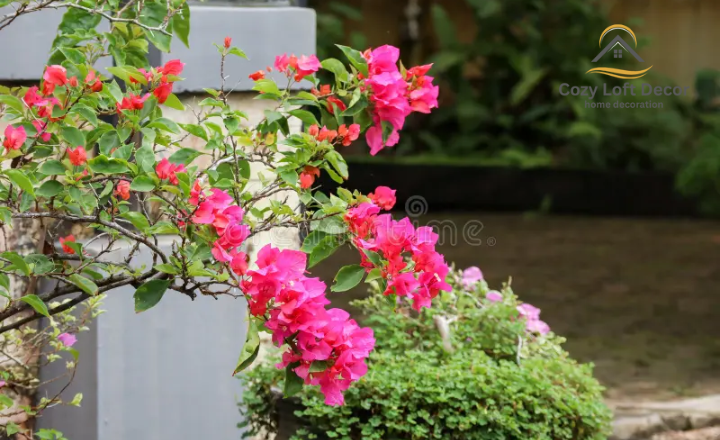
Available in shades of magenta, purple, orange, and white, it provides year-round visual interest without requiring excessive water or fertilizers. Incorporating bougainvillea not only enhances color and vibrancy but also supports a garden designed with sustainability and minimal upkeep in mind. With its dramatic blooms and resilient nature, this plant is perfect for gardeners seeking both style and eco-conscious practicality.
Create A Decked-Out Pagoda For Zen Vibes
Creating a decked-out pagoda for Zen vibes is a serene way to bring structure, shade, and tranquility to your garden or outdoor space. A pagoda serves as a focal point, offering a peaceful retreat for meditation, reading, or quiet reflection. Incorporate natural materials like wood, bamboo, or stone to enhance its calming aesthetic and blend seamlessly with surrounding greenery.
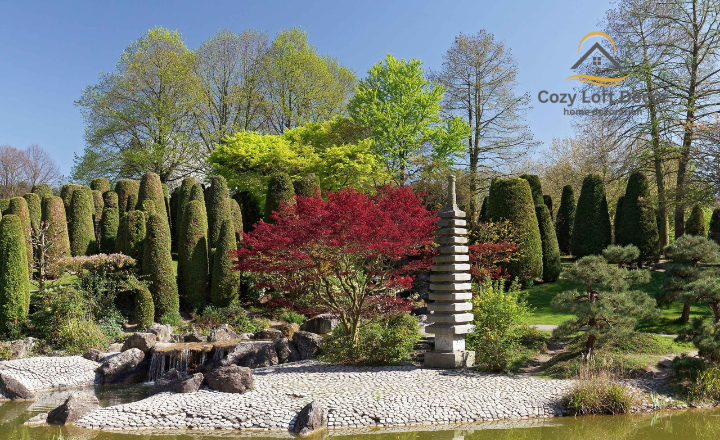
Surround the pagoda with low-maintenance plants, gravel, or water features to strengthen the Zen-inspired atmosphere. You can also add comfortable seating, lanterns, or hanging planters for a personalized touch. This combination of design and functionality creates a harmonious outdoor sanctuary where relaxation and mindfulness thrive. A decked-out pagoda not only elevates the visual appeal of your garden but also fosters a sense of peace and balance to provide best tips for designing your gardens.
Conclusion
Designing an outdoor space that remains beautiful with minimal effort becomes much easier when you apply the 10 Best Tips for Designing your Garden. These practical strategies help you create a landscape that conserves water, reduces waste, and supports natural ecosystems. By choosing native plants, improving soil health, and using efficient irrigation, you allow your garden to thrive with less work. Sustainable gardening focuses on harmony with nature, making your space more resilient over time.
Each tip encourages smarter planning and long-lasting results. As your garden evolves, you’ll enjoy vibrant growth without constant upkeep. Low-maintenance design also enhances natural beauty by embracing simplicity. By adopting eco-friendly choices, you make your garden healthier for both people and wildlife. Ultimately, these ten tips guide you toward a greener, easier, and more rewarding gardening experience.
FAQs
What Is A Sustainable Garden?
A sustainable garden is designed to be environmentally friendly, resource-efficient, and low-maintenance. It focuses on conserving water, improving soil health, supporting local wildlife, and using organic or recycled materials.
What Are The Benefits Of A Sustainable Garden?
Reduced water and energy use
Healthier soil and plants
Less maintenance and fewer chemicals
Support for pollinators and local biodiversity
Long-term cost savings
Positive environmental impact
What’s The Role Of Wildlife In A Sustainable Garden?
Sustainable gardens invite beneficial insects, birds, and pollinators that support a balanced ecosystem. Birdhouses, bee hotels, and butterfly-friendly plants all help.