
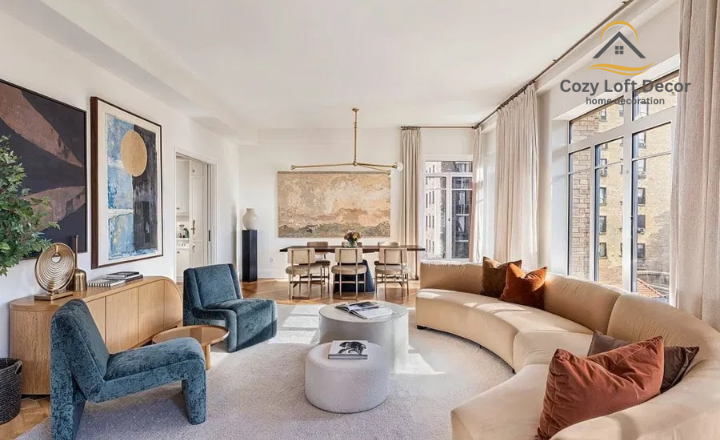
Interior Design Styles Guide: Defining Your Home’s Aesthetic helps you understand how different design styles shape the look and feel of your space. From modern minimalism to classic elegance, each style reflects a unique personality and lifestyle. Choosing the right interior design style creates harmony between furniture, colors, and décor. This guide simplifies popular styles so you can identify what truly suits your home. With the right aesthetic, your space becomes both functional and visually inspiring.
Why Interior Design Is Important?
Why Interior Design Is Important? helps create spaces that are functional, comfortable, and visually appealing. It improves the flow and organization of a room, making daily living easier. Interior design reflects personal style and adds character to a home.
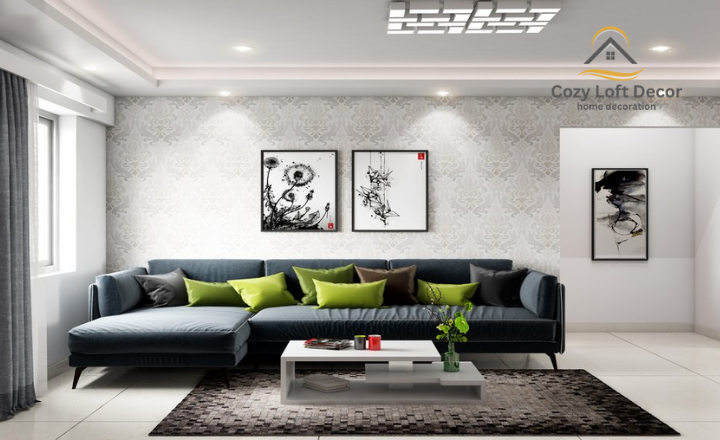
A well-designed space can boost mood, productivity, and relaxation. It also maximizes space efficiency and usability. Overall, interior design enhances both the beauty and value of a living environment.
The Interior Design Styles
Modern Style
Modern Style focuses on clean lines, simple forms, and a clutter-free look that creates a sleek and sophisticated space. Neutral color palettes, natural light, and open layouts are key features of this style. Furniture is functional with minimal detailing and smooth finishes. Materials like glass, metal, and wood are commonly used to add texture. Overall, modern style offers a balanced blend of elegance, comfort, and practicality.
Contemporary Style
Contemporary Style reflects the design trends of the present, emphasizing simplicity, open spaces, and a sense of freshness. It often blends modern elements with soft, rounded forms and neutral colors accented by bold hues. Furniture and décor are sleek yet comfortable, focusing on functionality without excess ornamentation. Natural light, clean lines, and uncluttered spaces define this style. Overall, contemporary design creates a versatile, stylish, and inviting home environment.
Traditional Style
Traditional Style draws inspiration from classic European décor, emphasizing elegance, symmetry, and rich detailing. It features ornate furniture, warm color palettes, and luxurious fabrics like silk and velvet. Accessories such as chandeliers, rugs, and artwork enhance the timeless charm of the space. Wood finishes, patterns, and layered textures create a sense of warmth and sophistication. Overall, traditional style offers a cozy, refined, and enduring aesthetic for any home.
Minimalist Style
Minimalist Style focuses on simplicity, functionality, and the “less is more” philosophy. It emphasizes clean lines, uncluttered spaces, and neutral color palettes to create a calm and organized environment. Furniture and décor are kept to essential pieces, often with sleek, modern designs. Natural light and open spaces are highlighted to enhance a sense of tranquility. Overall, minimalist style promotes clarity, efficiency, and a serene, elegant home atmosphere.
Scandinavian Style
Scandinavian Style emphasizes simplicity, functionality, and a connection to nature, creating bright and airy spaces. It features neutral colors, natural materials like wood and leather, and clean-lined furniture. Textures such as wool, linen, and soft fabrics add warmth and coziness. Natural light is maximized, often paired with minimalist décor and greenery. Overall, Scandinavian style combines practicality with comfort, resulting in a calm, inviting, and stylish home.
Industrial Style
Industrial Style is inspired by warehouses and factories, featuring raw, unfinished elements and a rugged aesthetic. Exposed brick walls, metal fixtures, concrete floors, and open ceilings are key characteristics. Furniture often combines wood and metal with a utilitarian design. Neutral tones like gray, black, and brown dominate, while lighting fixtures are bold and functional. Overall, industrial style creates a modern, edgy, and urban atmosphere with a touch of vintage charm.
Bohemian (Boho) Style
Bohemian (Boho) Style is a free-spirited and eclectic design that embraces creativity, color, and personal expression. It combines vibrant patterns, textures, and a mix of global influences from rugs, textiles, and artwork. Furniture is often vintage or handmade, layered with cushions and throws for a cozy feel. Natural materials, plants, and eclectic décor bring warmth and personality to the space. Overall, Boho style creates a relaxed, artistic, and inviting home filled with character and individuality.
Farmhouse Style
Farmhouse Style blends rustic charm with modern comfort, creating a warm and inviting home atmosphere. It features natural materials like wood and stone, neutral color palettes, and vintage-inspired furniture. Open spaces, cozy textiles, and farmhouse décor such as mason jars, lanterns, and shiplap walls enhance the homely feel. Practicality and comfort are key, with functional yet stylish furnishings. Overall, farmhouse style offers a timeless, cozy, and welcoming aesthetic that feels both nostalgic and fresh.
Coastal Style
Coastal Style brings the relaxed, breezy vibe of the seaside into your home. It features light, airy colors like whites, blues, and sandy neutrals, paired with natural materials such as wood, rattan, and linen. Nautical accents, seashell décor, and large windows that maximize natural light enhance the beach-inspired feel. Furniture is casual and comfortable, promoting a laid-back lifestyle. Overall, coastal style creates a serene, refreshing, and inviting environment reminiscent of the shore.
Mid-Century Modern Style
Mid-Century Modern Style is characterized by clean lines, organic shapes, and functional furniture that emerged in the mid-20th century. It features simple forms, tapered legs, and a mix of natural and manufactured materials like wood, metal, and plastic. Bold colors and geometric patterns are often used as accents against neutral backgrounds. Open layouts and large windows enhance light and space. Overall, Mid-Century Modern style combines timeless elegance with practicality, creating a stylish and functional home.
Eclectic Style
Eclectic Style celebrates creativity by blending diverse design elements, colors, and textures from different eras and cultures. It allows for personal expression through a mix of furniture, artwork, and décor that might not traditionally match but work together harmoniously. Bold patterns, unique accessories, and layered textures are key features. Balance and cohesion are maintained through thoughtful color palettes and placement. Overall, eclectic style creates a vibrant, personalized, and visually engaging home full of character.
Conclusion
Interior Design Styles Guide: Defining Your Home’s Aesthetic empowers you to make confident design choices that reflect your personal taste and daily needs. By understanding different styles, you can blend comfort, beauty, and functionality with ease. A well-defined aesthetic brings balance and character to every room. With thoughtful planning, your home can truly feel cohesive and inviting. Ultimately, the right interior design style transforms a house into a meaningful living space.
FAQs
What are the main types of interior design styles?
There are several main types, including Modern, Contemporary, Traditional, Industrial, Bohemian, Minimalist, Scandinavian, and Rustic, each with its unique characteristics and aesthetics.
Can I mix different interior design styles?
Mixing styles can create a unique and personalized look. Aim for a cohesive color palette or common elements to maintain harmony in the space.
What is the difference between modern and contemporary design?
Modern design refers to a specific historical movement from the early to mid-20th century, while contemporary design is ever-evolving and reflects current trends and technologies.
What role do colors play in defining an interior design style?
Colors greatly influence mood and perception. Each style has a typical color palette, such as neutral tones for Scandinavian or bold colors for Bohemian, so choose hues that align with your chosen style.