
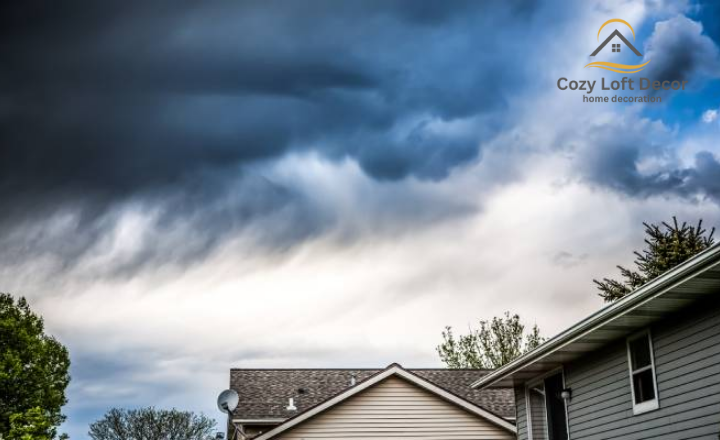
How Heavy Rains Can Impact Homes Long After the Storm may seem temporary, but their effects on homes can last for months or even years if not addressed promptly. Water can silently seep into foundations, walls, and roofs, creating hidden structural and moisture-related problems. Many homeowners only notice the damage long after the storm has passed.
From weakened materials to indoor air quality issues, rain-related damage often develops gradually. Understanding these risks is essential for protecting your property and avoiding costly repairs. Proactive awareness helps homeowners take timely action and safeguard their homes.
Moisture moves through materials
Moisture can move through many building materials, even when surfaces appear dry and undamaged. Porous materials such as wood, concrete, brick, and drywall naturally absorb water from rain and humidity. This moisture travels slowly through tiny pores and gaps within the material. Over time, repeated exposure allows water to build up beneath the surface. Trapped moisture can weaken structural components and reduce material strength. It also creates an ideal environment for mold growth and long-term damage.
Water does not drain as planned
Water does not always drain the way a home’s design intends, especially after heavy or prolonged rainfall. Clogged gutters, blocked downspouts, and compacted soil can force water to pool near the foundation. Improper grading may cause rainwater to flow back toward the house instead of away from it. Over time, standing water increases pressure on walls and basement areas. This can lead to cracks, leaks, and moisture intrusion. Poor drainage left uncorrected often results in costly structural and interior repairs.
Small gaps let water inside
Small gaps in a home’s exterior can easily allow water to enter during heavy rain. Tiny cracks around windows, doors, siding, and roof joints are often enough for moisture to slip through. Wind-driven rain increases the chance of water being pushed into these openings. Over time, repeated exposure widens the gaps and worsens the problem. Once inside, water can damage insulation, walls, and structural materials. These minor openings can lead to major repairs if they are not sealed early.
Damp spaces invite mold growth
Damp spaces inside a home create the perfect conditions for mold to grow and spread. Areas like basements, crawl spaces, bathrooms, and attics often trap moisture after heavy rain. Limited airflow and darkness allow mold spores to thrive quickly. Once mold develops, it can spread to walls, ceilings, and furnishings. This not only damages building materials but also affects indoor air quality. Addressing moisture early is key to preventing mold-related problems.
Wood reacts slowly to moisture
Wood reacts slowly to moisture, often hiding damage until it becomes severe. When exposed to damp conditions, wood gradually absorbs water and begins to swell. This slow process can cause warping, cracking, or weakening over time. Prolonged moisture exposure may also lead to rot and structural decay. Because the changes happen gradually, homeowners may overlook early warning signs. Regular inspections help catch moisture-related wood damage before it spreads.
Home systems can suffer quietly
Home systems can suffer quietly when exposed to moisture and water intrusion. Electrical wiring, HVAC components, and plumbing are often hidden behind walls or under floors. Prolonged dampness can cause corrosion, reduced efficiency, or sudden system failure. These issues may develop without visible warning signs for months. By the time problems are noticed, repairs can be costly and disruptive. Routine maintenance and moisture control help protect critical home systems.
Below ground areas stay wet longer
Below-ground areas tend to stay wet longer after heavy rain because moisture drains away slowly underground. Basements and crawl spaces are surrounded by soil that holds water for extended periods. Limited sunlight and airflow make drying even more difficult in these spaces. Persistent dampness increases pressure on foundation walls and floors. Over time, this can lead to leaks, cracks, and material deterioration. Proper waterproofing and drainage are essential to keep below-ground areas dry.
Smells often appear before damage
Smells often appear before visible damage becomes noticeable in a home. Musty or earthy odors usually signal hidden moisture buildup behind walls or under floors. These smells are often caused by early mold or mildew growth. Because the source is concealed, homeowners may ignore the warning signs. Over time, the underlying moisture problem can worsen and cause structural damage. Paying attention to unusual odors can help catch issues early.
Knowing when to act matters
Knowing when to act matters because early intervention can stop minor moisture problems from becoming major damage. Prompt attention helps protect walls, floors, and structural elements before they weaken. Small leaks, damp spots, or clogged drains should never be ignored. Acting quickly reduces the risk of mold growth and unpleasant odors.
Timely repairs save homeowners both time and money over the long term. Proactive maintenance also ensures that home systems continue to function safely. Being vigilant helps preserve the home’s value and comfort. Recognizing warning signs early is the key to effective and lasting home protection.