
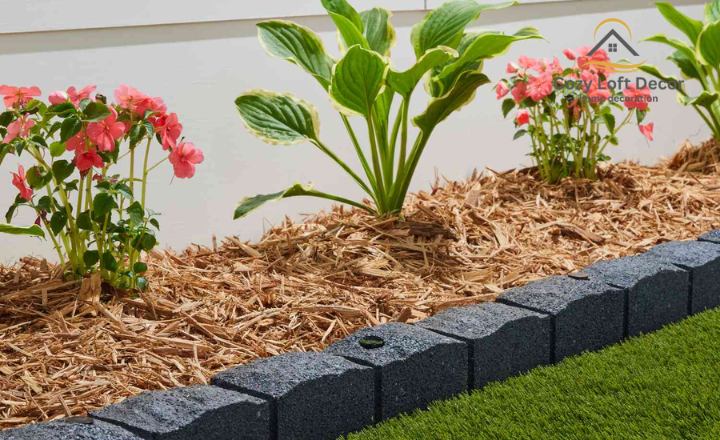
Modern garden edging ideas are an easy and effective way to elevate the look of any outdoor space. They help define garden beds, pathways, and lawns while adding a polished, contemporary touch. Modern garden edging ideas not only enhance the aesthetics but also keep plants, mulch, and soil neatly contained.
With a variety of materials like metal, wood, stone, and concrete, these edging solutions suit every garden style. Modern garden edging ideas can transform ordinary yards into stylish, well-organized landscapes. They are a simple yet impactful way to add structure, charm, and modern appeal to your garden.
Why Garden Edging Matters
Garden edging plays a crucial role in maintaining a neat, organized, and visually appealing outdoor space. It creates clear boundaries between lawns, garden beds, and pathways, preventing grass and weeds from encroaching into planting areas.
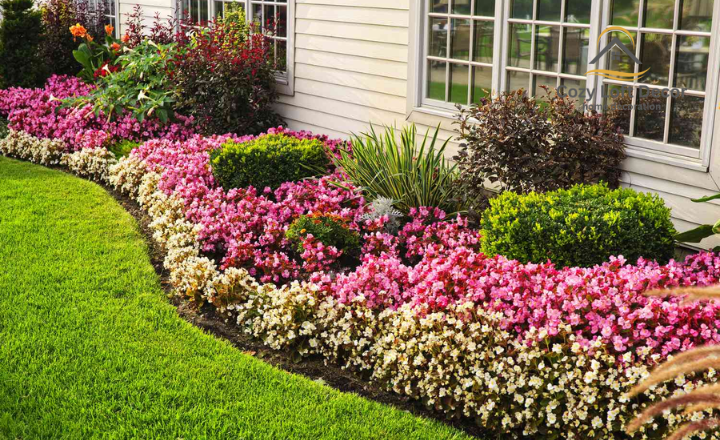
Garden edging also helps contain mulch, soil, and decorative materials, keeping gardens tidy and low-maintenance. Beyond functionality, it adds structure, definition, and a polished look to your landscape, enhancing the overall aesthetic. With the right materials and design, garden edging can elevate your garden’s style while improving durability and ease of upkeep.
Modern Garden Edging Ideas
Steel or Metal Edging
Steel or metal edging is a modern and durable solution for defining garden beds, pathways, and lawns. Its sleek, minimalistic appearance complements contemporary landscapes while providing long-lasting functionality.
Steel or metal edging resists weathering, maintains straight lines, and prevents soil and mulch from spilling into unwanted areas. It can be installed flush with the ground for a clean, seamless look or slightly raised for added definition. Available in various finishes and heights, steel or metal edging is ideal for homeowners seeking a stylish, low-maintenance, and modern garden boundary solution.
Design Tip
Use black powder-coated steel to create a high-contrast frame around gravel paths or ornamental beds. The dark metal blends seamlessly with modern exteriors and industrial-inspired designs.
Concrete Edging
Concrete edging is a durable and versatile option for creating clean, defined borders in your garden or yard. It offers a sleek, minimalist look that complements modern landscaping styles while providing long-lasting functionality.
Concrete edging can be molded into straight lines, curves, or decorative shapes to suit your garden design. It helps keep soil, mulch, and plants neatly contained, reducing maintenance efforts. With its strength and low upkeep, concrete edging is an excellent choice for homeowners seeking a practical yet stylish way to enhance their outdoor spaces.
Design Tip
Try a smooth, light-gray poured concrete edge that echoes urban or minimalist styles. For extra style, integrate LED strip lights along the edge for a striking night-time effect.
Corten Steel Edging
Corten steel edging is a modern and stylish option for defining garden beds and pathways while adding a rustic, weathered look. Its naturally rusted appearance develops a warm, earthy patina over time, blending beautifully with plants and landscaping.
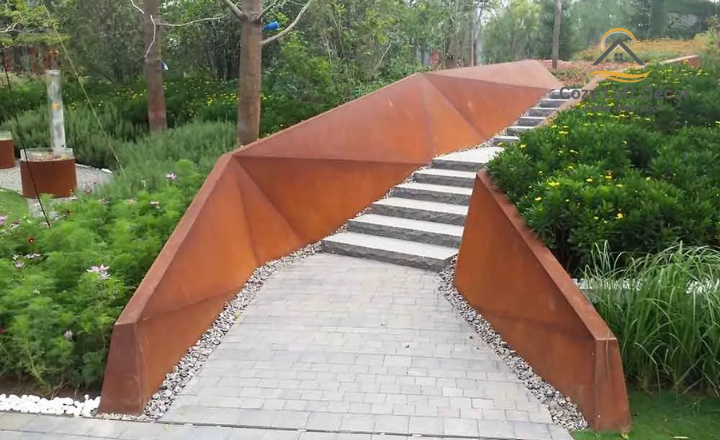
Corten steel edging is highly durable, resistant to corrosion, and requires minimal maintenance. It provides strong, clean lines that keep soil, mulch, and gravel in place, enhancing both functionality and aesthetics. Ideal for contemporary and industrial garden designs, Corten steel edging combines durability with a unique visual appeal that elevates any outdoor space.
Design Tip
Use corten steel edging around succulents or rock gardens to enhance contrast between the clean lines and natural textures.
Timber Edging
Timber edging is a classic and versatile option for creating defined borders in gardens, lawns, and pathways. Made from durable woods such as cedar, pine, or treated hardwood, it adds a natural, warm touch to any outdoor space.
Timber edging helps keep soil, mulch, and plants contained while preventing grass from encroaching into garden beds. It can be installed in straight lines or gentle curves, making it suitable for both formal and informal garden designs. With proper treatment and maintenance, timber edging provides a stylish, eco-friendly, and long-lasting solution for garden organization.
Design Tip
Install horizontal wood planks flush with the ground or vertically as a raised edge. Pair with gravel or minimalist planting schemes for a Scandinavian-inspired garden.
Stone or Slate Edging
Stone or slate edging is a timeless and elegant option for defining garden beds, pathways, and lawns. Its natural textures and colors add sophistication and visual interest to any outdoor space. Stone or slate edging is highly durable, weather-resistant, and requires minimal maintenance, making it a practical choice for long-lasting garden borders.
It can be arranged in straight lines, curves, or creative patterns to suit both formal and informal garden designs. By combining functionality with aesthetic appeal, stone or slate edging enhances the overall style and organization of your landscape.
Design Tip
Use long rectangular slate tiles laid vertically for a contemporary, architectural effect. This works beautifully along pathways or water features.
Brick Edging in Modern Patterns
Brick edging in modern patterns is a stylish way to define garden beds, pathways, and lawns while adding texture and visual interest. Using bricks in herringbone, zigzag, or geometric patterns creates a contemporary twist on a classic material.
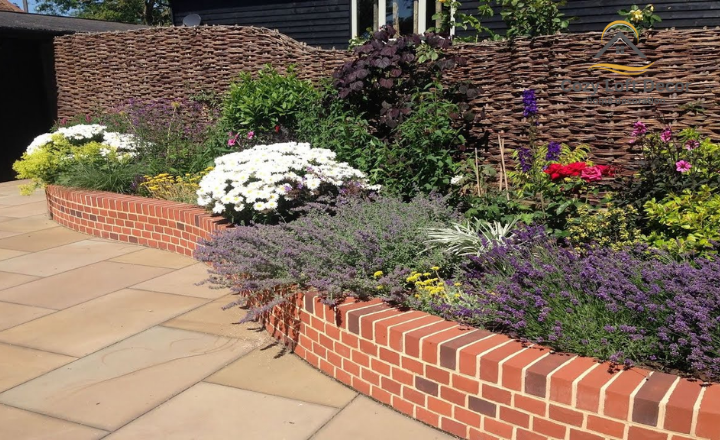
Brick edging in modern patterns is durable, weather-resistant, and helps contain soil, mulch, and plants for a neat, organized look. It complements both traditional and modern landscapes, adding structure and sophistication to outdoor spaces. With creative layouts, brick edging in modern patterns transforms ordinary borders into striking design features that enhance the overall appeal of your garden.
Design Tip
Opt for thin, linear bricks laid flush with the ground for a minimalist edge. Combine with neutral-toned gravel and boxwood hedges.
Gravel Trench Edging
Gravel trench edging is a modern and low-maintenance solution for defining garden beds, pathways, and lawns. It involves creating a shallow trench filled with gravel to separate planting areas from grass or hardscapes.
Gravel trench edging prevents soil and mulch from spilling into unwanted areas while allowing for proper drainage. Its clean, minimalist appearance complements contemporary garden designs and adds texture to outdoor spaces. Easy to install and cost-effective, gravel trench edging is ideal for homeowners seeking a stylish, functional, and eco-friendly way to organize their garden.
Design Tip
Use dark gravel (black basalt or slate chippings) for a clean look. Add a steel border beneath the surface to prevent gravel from migrating.
Resin-Bound Edging
Resin-bound edging is a modern and durable option for creating smooth, defined borders in gardens, driveways, and pathways. It consists of aggregate stones bound with resin, forming a solid, weather-resistant surface that resists weeds and erosion.
Resin-bound edging offers a sleek, contemporary appearance and can be customized with different colors and textures to match your landscape design. Its seamless finish provides both functionality and aesthetic appeal, keeping soil and mulch contained while enhancing the overall look of your outdoor space. Ideal for low-maintenance, stylish gardens, resin-bound edging combines practicality with modern design.
Design Tip
Use resin-bound paths framed by steel or timber edges. This provides a cohesive transition between walking areas and garden beds.
Recycled Materials
Using recycled materials for garden edging is an eco-friendly and creative way to define garden beds, pathways, and lawns. Materials such as reclaimed wood, recycled plastic, old bricks, or metal scraps can be repurposed to create functional and stylish borders.
Recycled materials not only reduce waste but also add a unique, personalized touch to your garden design. They can be arranged in straight lines, curves, or creative patterns to suit any landscape style. Durable and versatile, recycled materials for garden edging offer a sustainable, cost-effective, and visually appealing solution for modern outdoor spaces.
Design Tip
Create mosaic-style edging with recycled glass or ceramic tiles for a pop of color in an otherwise neutral palette.
Invisible Edging
Invisible edging is a subtle and modern solution for defining garden beds, pathways, and lawns without disrupting the natural flow of your landscape. Typically made from hidden metal strips or buried barriers, it creates clean, defined borders while remaining unseen above ground.
Invisible edging effectively prevents grass and plants from spreading into unwanted areas, maintaining a tidy and organized garden. Its discreet design complements both contemporary and traditional landscapes, allowing plants and features to take center stage. With minimal visual impact and maximum functionality, invisible edging is perfect for homeowners seeking a sleek, polished, and modern garden look.
Design Tip
Perfect for gardens with flowing, curved paths and a naturalistic planting style, allowing the greenery to shine while maintaining neatness.
Bonus Ideas for Extra Flair
Integrated Lighting
Integrated lighting is a modern way to combine functionality and aesthetics in garden edging. By incorporating LED lights or solar-powered fixtures along the edges of garden beds, pathways, or lawns, it enhances visibility and safety during the evening hours.
Integrated lighting for garden edging highlights the shape and structure of your landscaping, creating a warm and inviting ambiance. This approach not only adds a stylish, contemporary touch but also emphasizes plants, textures, and features in your outdoor space. With energy-efficient options and customizable designs, integrated lighting transforms ordinary garden edges into visually striking focal points.
Mix and Match
Mix and match garden edging is a creative approach that combines different materials, textures, and styles to define garden beds, pathways, and lawns. By blending elements like wood, stone, metal, or gravel, you can create visually interesting and dynamic borders that complement your landscape.
Mix and match garden edging allows for personalized designs that suit both contemporary and traditional gardens. It enhances curb appeal, adds texture, and creates unique focal points in your outdoor space. With this versatile approach, homeowners can experiment with materials and patterns to achieve a stylish, modern, and customized garden look.
Painted Edges
Painted edges are a simple and creative way to add color and definition to garden beds, pathways, and lawns. By painting the borders of wood, concrete, or metal edging, you can introduce vibrant accents that complement your landscape design.
Painted edges enhance the visual appeal of your garden, making plants and features stand out while creating a polished, modern look. This approach allows for customization with different colors, patterns, and finishes to suit your style. Easy to update and maintain, painted edges are an affordable and stylish way to transform ordinary garden borders into eye-catching design elements.
Conclusions
Modern garden edging ideas are a stylish and practical way to enhance the beauty and organization of any outdoor space. They define garden beds, pathways, and lawns while adding a contemporary, polished look.
By choosing the right materials and design, modern garden edging ideas can complement your home’s architecture and landscape. They make maintenance easier, improve curb appeal, and create a visually appealing outdoor environment. Whether using metal, wood, stone, or creative combinations, modern garden edging ideas transform gardens into elegant, well-structured, and inviting spaces.
FAQs
What is the most durable garden edging material?
Steel and concrete are among the most durable materials, offering longevity with minimal upkeep.
Can I install garden edging myself?
Yes! Many edging materials, like plastic, timber, or metal strips, are DIY-friendly. Just ensure proper alignment and secure placement.
How deep should garden edging be?
Most edging should be buried 3–6 inches deep to stabilize and prevent movement.
How do I choose the right style for my garden?
Match the edging to your garden’s theme—modern designs favor clean lines, muted colors, and simple materials like steel or concrete.
Is edging necessary for a garden?
While not required, edging provides a neat appearance, helps with weed control, and prevents mixing of different garden materials.