
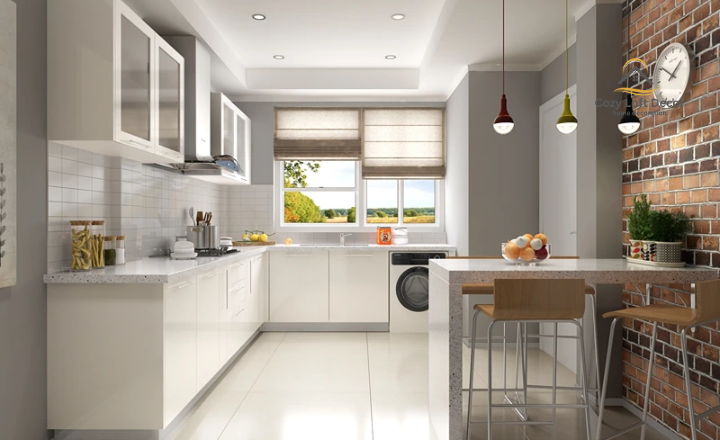
As we step into 2025, small modern kitchens are embracing innovative designs that maximize space without sacrificing style. This article unveils the 10 best small modern kitchen design ideas tailored for modern living, helping you create a functional and aesthetically pleasing cooking space. Whether you’re renovating or simply looking for inspiration, these designs are sure to elevate your culinary experience.
How To Design A Small Modern Kitchen In 2025
In 2025, designing a small modern kitchen revolves around maximizing functionality while embracing innovative materials and technology. Start by prioritizing multi-functional furniture; consider a compact island with integrated storage and a pull-out dining table. This not only saves space but also creates a seamless flow, allowing for versatile use whether you’re cooking or entertaining friends.
Incorporating smart appliances can revolutionize the cooking experience. Look for energy-efficient devices that offer voice control and cooking suggestions based on your preferences. Additionally, consider smart lighting systems that can adjust brightness according to the time of day or activity, enhancing both ambiance and practicality. Utilizing reflective surfaces and light color palettes can further amplify any area’s sense of space, making the kitchen feel more open and inviting, even within the constraints of a small footprint.
Why Small Modern Kitchens Are Trendsetters in 2025
In 2025, small modern kitchens are redefining the culinary landscape by embracing efficiency and aesthetic appeal. With urban living on the rise, these compact spaces have become a canvas for innovative design, blending functionality with style. The shift towards open-concept layouts means that small kitchens are seamlessly integrated into living areas, transforming them into social hubs where culinary creativity meets community interaction.
Emerging technologies further enhance these kitchens, introducing smart appliances that save both space and energy. Minimalist cabinetry and multipurpose furniture create a streamlined look, while bold colors and textures inject personality. Sustainability also plays a crucial role; small kitchens often prioritize eco-friendly materials and energy-efficient appliances, turning them into eco-conscious trendsetters. Ultimately, the small kitchen is not just a practical solution; it’s a statement of modern living, reflecting a lifestyle that values adaptability, sustainability, and design innovation.
Benefits of Modern Designs for Compact Spaces
Modern designs for compact spaces offer a unique blend of functionality and style, maximizing every square inch while infusing homes with contemporary aesthetics. By embracing minimalism, these designs eliminate unnecessary clutter, allowing for a more serene atmosphere that fosters creativity and relaxation. This intentional simplicity not only creates a visual delight but also promotes mental clarity, as the mind can focus on what truly matters.
Moreover, modern designs often incorporate multifunctional furniture, seamlessly transforming a living room into a workspace or a dining area into a cozy retreat. This versatility is particularly beneficial for urban dwellers facing space constraints, making their homes more adaptable to changing lifestyles. Incorporating smart storage solutions like wall-mounted shelves and under-bed drawers further enhances the utility of compact spaces, turning them into organized havens that meet all everyday needs without sacrificing style.
Optimizing Layout And Workflow In Small Kitchens
In small kitchens, every inch counts, and thoughtful layout optimization can transform a cramped space into a functional culinary haven. Begin by embracing the concept of “kitchen zones.” By organizing your kitchen activities prep, cooking, and cleaning into designated areas, you streamline workflow. For instance, place your chopping board near the stove to minimize movement, and situate utensils and pots within arm’s reach to enhance efficiency.
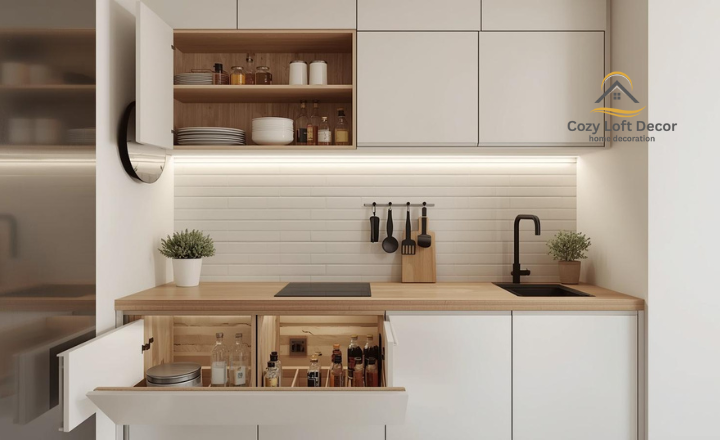
Another innovative tactic is vertical storage. Utilizing wall space for hanging pots, pans, or even herbs can free up valuable counter space and keep essentials visible and accessible. Incorporating pull-out shelves or drawer inserts can also maximize storage in underutilized spaces, ensuring that everything from spices to pantry items is within easy reach. Small changes can yield significant outcomes by rethinking your layout and workflow, you can elevate your cooking experience, making it as enjoyable as it is efficient.
Efficient Space Use for Small Areas
Maximizing space in small areas often hinges on the art of vertical living. Shelving that reaches from floor to ceiling not only draws the eye upward, creating a sense of height, but also provides ample storage opportunities. Consider incorporating multipurpose furniture such as ottomans with hidden compartments or fold-out desks that can vanish when not in use. These clever solutions transform a cramped space into a multifunctional haven without sacrificing style.
Incorporating mirrors is another game-changing strategy. Strategically placed, they can reflect light and create an illusion of a larger area, making it feel airy and inviting. Pair this with a carefully curated color palette; lighter shades can enhance this effect, while splashes of bold colors in accessories can add personality without overwhelming the space. Finally, don’t shy away from using the corners corner shelving, plants, or seating can maximize often-overlooked areas, ensuring that every inch of your small space works for you.
Layout and Workflow in Small Kitchens
In small kitchens, the layout is paramount, transforming limited space into a culinary haven. Embrace the concept of the work triangle positioning the refrigerator, stove, and sink in a triangular layout minimizes movement and maximizes efficiency. Consider open shelving or wall-mounted racks to free up counter space while adding a personal touch to your decor. Bold color choices or reflective surfaces can create an illusion of spaciousness, making your kitchen feel larger than it is.
Workflow in a compact kitchen thrives on organization and adaptability. Implementing multi-functional furniture, such as an island with storage or a fold-down table, allows flexibility for cooking and dining. Utilize the vertical space by installing hooks and hanging pots, keeping often-used items within easy reach while adding character to your kitchen. By thoughtfully combining aesthetics with functionality, you can create a small kitchen that feels spacious, inviting, and conducive to culinary creativity.
Popular Layouts for Small Kitchens
- Galley Layout: Features two parallel counters, perfect for narrow spaces and efficient workflows.
- Single-Wall Layout: All appliances and cabinets are placed along one wall, ideal for very small or open concept homes.
- L-Shaped Layout: Uses two connected walls to create an open feel and smooth cooking flow.
- U-Shaped Layout (Small Version): Offers ample storage and counter space by wrapping cabinetry around three sides.
- Peninsula Layout: Adds extra prep and seating space by extending a counter from one wall without needing a full island.
- Compact Island or Cart: Provides movable prep space and storage without crowding a small kitchen.
Pros and Cons for Small Modern Kitchen Design Ideas
Small modern kitchens are a canvas of opportunity, balancing aesthetics and functionality in limited space. One major advantage is the trend towards open-concept design, which allows for seamless transitions between the kitchen and living areas, fostering a social atmosphere. Additionally, modern materials like quartz and stainless steel enhance both durability and style, making it easier to keep the space looking polished. The clever use of multi-functional furniture such as a kitchen island that doubles as a dining table also maximizes utility without compromising design.
However, there are notable drawbacks to consider. Limited counter space can become a significant constraint, especially during meal prep or entertaining. Storage is another challenge, as running out of room for kitchen essentials can lead to cluttered surfaces and organizational issues. Moreover, the allure of minimalist design may sacrifice personality, leaving some spaces feeling sterile rather than inviting. Balancing these elements requires thoughtful planning to ensure that your small kitchen remains both functional and a true reflection of your personal style.
Tips for Improving Workflow in Small Budget Kitchens
Optimizing workflow in a small budget kitchen requires strategic organization and creativity. Instead of investing in costly storage solutions, consider repurposing everyday items. For instance, magnetic strips can be affixed to walls to hold metal utensils or spice jars, freeing up counter space and allowing for easy access. Use under-shelf baskets to create layers in your cabinets, maximizing vertical space while keeping essentials within reach.
Another key tip is to implement a ‘zone’ cooking method. Designate specific areas for prep, cooking, and cleaning to streamline your process. For example, keep all your chopping tools and cutting boards in one corner, while pots and pans reside near the stove. This not only reduces unnecessary movement but also encourages a more efficient rhythm in your cooking routine. Finally, don’t underestimate the power of lighting proper illumination in work areas can vastly improve your efficiency, making even a small kitchen feel welcoming and functional.
Streamlined Storage Solutions For Compact Spaces
In today’s fast-paced world, maximizing space is more crucial than ever, particularly in urban settings where living areas are often limited. Embracing vertical storage can be a game changer; think wall-mounted shelves or hanging organizers that draw the eye upward, creating an illusion of height while utilizing often overlooked wall space. Not only does this method provide ample room for books, plants, or decorative items, but it also keeps the floor clear, making a compact space feel more open and inviting.
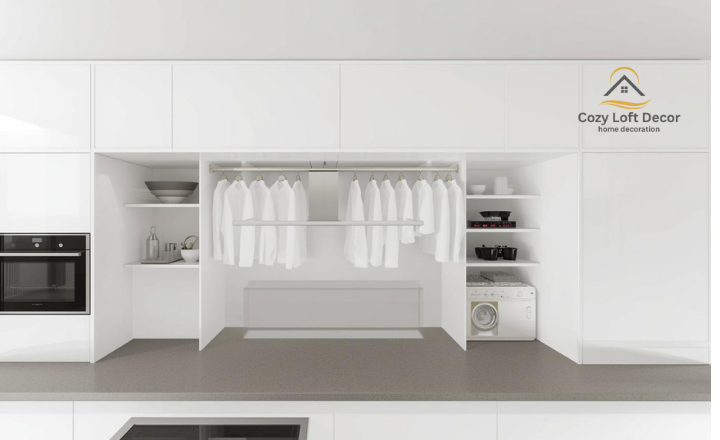
Consider multi-functional furniture as another innovative approach to storage in tight quarters. A cleverly designed ottoman can double as a coffee table and a storage unit, while a bed with built-in drawers maximizes underutilized space. This dual purpose not only enhances functionality but also encourages a less cluttered environment, essential for maintaining a sense of calm amidst the hustle and bustle of city life. Finally, sleek, modular storage units allow you to tailor your setup according to changing needs, adapting to lifestyle shifts without the need for a complete overhaul. Whether it’s a growing family or a new hobby, this adaptability is key in creating a space that is both personal and practical.
Clever Ways to Organize Small Kitchen Spaces
Maximizing small kitchen spaces is all about strategic organization. Consider using vertical space effectively by installing shelves that reach the ceiling. This not only draws the eye upward, creating an illusion of height, but also provides ample room for cookware and decorative items. Incorporating magnetic strips for knives or spice jars can free up valuable counter and drawer space, while also adding a stylish, modern touch.
Another clever tactic is to implement multi-functional furniture. A rolling cart can serve as additional prep space, a mobile pantry, or even a serving station when entertaining. Alternatively, look for dining tables with built-in storage underneath, allowing you to tuck away utensils or tablecloths without cluttering visible spaces. Each of these thoughtful approaches makes the most of your compact kitchen, transforming it into a functional and aesthetically pleasing area where creativity can flourish.
Maximizing Vertical Storage
Vertical storage is an often-overlooked solution that transforms underutilized spaces into functional zones. By harnessing the vertical expanse of your walls, you can create a visually appealing environment that not only optimizes storage but also enhances the aesthetic of your space. Consider integrating shelving units that extend from floor to ceiling, enabling you to showcase decorative items while seamlessly storing everyday essentials. By varying shelf heights and using modular designs, you tailor the setup to your specific needs, maximizing both efficiency and style.
In addition to traditional shelving, think outside the box by employing vertical gardens or pegboards. These innovative solutions not only provide storage but also bring life into your home or office. A vertical garden, for instance, utilizes wall space for plant life, promoting a healthier indoor environment and improving air quality. Meanwhile, pegboards can serve as dynamic bulletin boards or tool organizers, allowing you to rearrange items as your needs change an adaptable solution for creativity and organization hand in hand.
Installing Floating Shelves
Installing floating shelves can transform your space, combining functionality with an eye-catching aesthetic. Begin by selecting the right location think about areas where you need extra storage or a focal point, such as over a desk, in a hallway, or above a couch. Before drilling any holes, visualize how the shelves will interact with the surrounding decor, ensuring they not only serve their purpose but also enhance the overall ambiance of the room.
When it comes to installation, precision is key. Use a level to mark straight lines where your brackets will go, ensuring that each shelf not only bears weight but also maintains a sleek appearance. Consider using hidden brackets or anchors for a minimalist look; these options create the illusion of weightlessness, allowing items to appear as if they’re floating. Moreover, think about the items you’ll showcase varying heights and textures can create visual interest, turning functional pieces into artful displays. With careful planning and creativity, your floating shelves can become a stunning highlight of your home.
Choosing the Right Shelf Material
When selecting the right shelf material, it’s essential to consider not only aesthetics but also functionality and durability. Wooden shelves bring warmth and character to a space, but species and finishes can drastically affect their strength and longevity. For instance, hardwoods like oak and walnut provide a robust solution for heavier items, while softer woods may require additional reinforcement to prevent bowing under weight. Conversely, metal shelves can offer a sleek, industrial look, perfect for contemporary settings, but they may lack the warmth embodied by wood.
Additionally, don’t overlook composite materials. Options like plywood or MDF can be surprisingly durable and cost-effective, making them an attractive choice for those on a budget. Brands are now infusing these materials with sustainable practices, leading to eco-friendly alternatives that not only look good but also reduce environmental impact. Finally, consider the shelving’s purpose floating shelves may require different materials and brackets than freestanding units, impacting the overall design and usability. Balancing style with intentional structural choices will elevate your space in both form and function.
Handleless Cabinets for Elegant American Kitchen
Handleless cabinets are revolutionizing the design landscape of American kitchens, offering a sleek and modern aesthetic that transcends traditional styles. These cabinets, often featuring push-to-open mechanisms or integrated grooves, create a seamless look that minimizes visual clutter and enhances the overall flow of the space. This design choice not only elevates the elegance of the kitchen but also contributes to a more functional cooking environment, as the clean lines and streamlined surfaces make for easier cleaning and maintenance.
Moreover, handleless cabinets play beautifully with various design elements, allowing for creative freedom in color and texture. Whether you opt for a minimalist monochrome palette or rich wood finishes, the absence of hardware invites a harmonious blend of materials, accentuating the artistry of personalized décor. Additionally, they often promote a sense of spaciousness, making smaller kitchens feel more vast and inviting. With such versatility, handleless cabinets cater to both contemporary tastes and timeless elegance, establishing themselves as a favorite choice for homeowners seeking to merge style with functionality.
The Benefits of Handleless Cabinets
Handleless cabinets have rapidly gained popularity in modern kitchen design, and it’s easy to see why. These sleek, unencumbered surfaces create an illusion of space and fluidity, making even the smallest kitchens feel more open and inviting. By eliminating protruding handles, handleless cabinets allow for a streamlined aesthetic that complements minimalist and contemporary designs, promoting a sense of tranquility while cooking and entertaining.
Beyond their visual appeal, handleless cabinets offer practical advantages as well. With a focus on touch-to-open mechanisms, these cabinets facilitate an effortless user experience perfect for hands busy with food prep or cleanup. Moreover, the absence of handles means fewer places for dirt and grime to accumulate, making maintenance a breeze. This functionality aligns perfectly with the growing trend toward efficient, low-maintenance kitchen solutions designed for the modern homeowner.
How to Maintain Handleless Cabinets
Maintaining handleless cabinets in your kitchen requires a unique approach to ensure their sleek appearance endures. Start by using a microfiber cloth for regular dusting and cleaning, as it won’t scratch the surface of your cabinetry like traditional sponges or abrasive materials can. For stuck-on grime, a gentle solution of warm soapy water is often sufficient; just be sure to wipe away any residue promptly to prevent streaking.
Additionally, consider the importance of proper ventilation in your kitchen. Handleless cabinets can trap moisture, which can lead to warping or mold growth over time. Installing a kitchen hood or ensuring windows are frequently opened can help mitigate these issues. Lastly, keep an eye on the hinges and soft-close mechanisms; these components are crucial for maintaining the functionality of your cabinets. A bit of regular lubrication can go a long way in ensuring they remain silent and smooth, preserving the modern aesthetic of your kitchen.
Adding Hidden Push Mechanisms
Incorporating hidden push mechanisms in kitchen design elevates both functionality and aesthetics. Imagine seamlessly integrated cabinets that open with a gentle push, eliminating the need for traditional knobs and handles. This minimalist approach not only enhances the sleek lines of modern kitchen decor but also streamlines the cooking experience, allowing for a clean workspace free from distractions.
Moreover, hidden push mechanisms contribute to a more hygienic environment. Without protruding handles, there are fewer surfaces for bacteria to cling to, promoting a cleaner kitchen. This design choice caters to both form and function, appealing to homeowners who prioritize a sophisticated look while ensuring ease of maintenance. Ultimately, the integration of these mechanisms leads to a kitchen that feels more open and inviting, allowing you to focus on the joy of cooking and entertaining.
Open Shelving: Creating An Airy Look
Open shelving in the kitchen transforms a space from conventional to inviting, allowing both functionality and aesthetic appeal to coexist. By removing bulky cabinetry, you instantly create a sense of openness, where light can flow freely and reflect off carefully curated dishware. This design choice not only highlights your favorite kitchen items but also encourages a personal touch, turning the mundane act of cooking into an enjoyable experience.
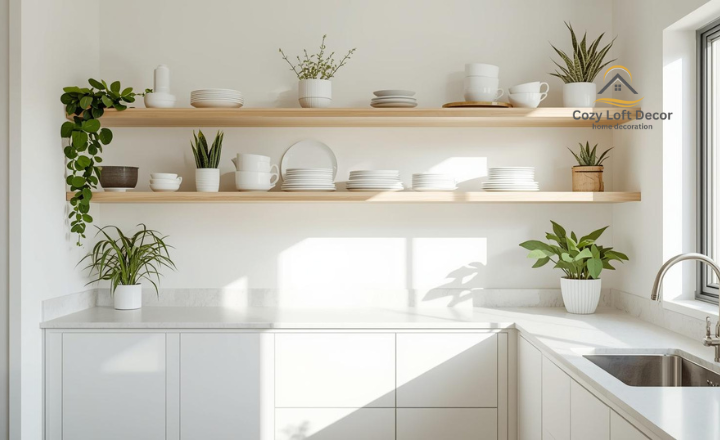
Embracing open shelving opens up opportunities for creative displays. Layered textures think rustic wooden shelves contrasted with sleek ceramic dishes or vibrant glassware add depth and interest. Additionally, incorporating greenery through potted herbs or trailing vines can infuse life into the space. To maintain the airy feel, consider adopting a minimalist approach by limiting items to essentials and displaying them in an organized, thoughtful manner that invites eyes to wander and appreciate the arrangement.
Open Shelved Kitchens in Small Spaces
Open shelved kitchens have emerged as a beloved solution for maximizing space while adding a touch of personality to small areas. These designs eliminate the bulkiness of upper cabinets, allowing for a more airy feel that can make even the tiniest kitchen feel expansive. Instead of hiding away dishes and decor, open shelving invites you to display your favorite items, turning your kitchen into a curated gallery of culinary treasures.
To make the most of open shelving, consider a strategic layout that combines functionality with flair. Use varying shelf heights to accommodate different items and create visual interest. You can also incorporate baskets or decorative boxes for storage, blending organization with style. Colorful dishes or glassware can serve as eye-catching accents, transforming everyday kitchen essentials into decorative elements that enhance the overall aesthetic.
Additionally, integrating lighting under the shelves can amplify the appeal, casting warmth on displayed items while creating a cozy ambiance. By thoughtfully selecting what to showcase, you can express your taste and invite guests to feel at home. In small kitchens, open shelving is not just a trend; it’s a way to redefine space, making every inch count while embodying your unique culinary spirit.
Choosing A Neutral Color Palette For Small Kitchens
Opting for a neutral color palette in small kitchens can create a serene and spacious feel, transforming your cooking space into an oasis of calm. Light shades like soft whites and pale grays reflect natural light, making the room appear larger and more inviting. Pairing these hues with varying textures think matte finishes on cabinetry and glossy tiles adds depth and interest without overwhelming the senses.
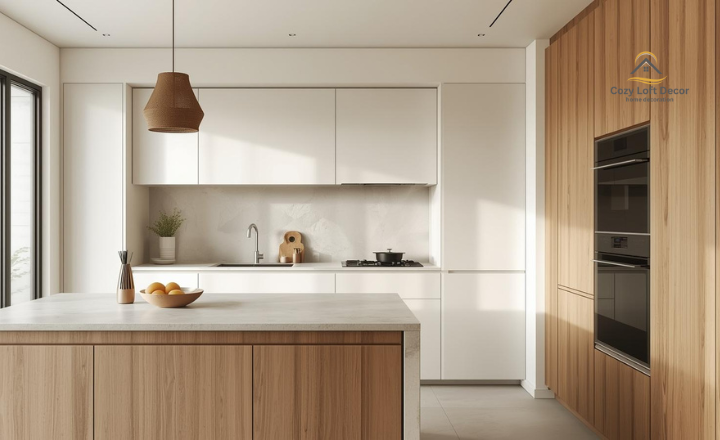
Incorporating muted earth tones, such as taupe or warm beige, can also enhance the cozy atmosphere while providing a subtle backdrop for colorful accessories. A splash of greenery through potted herbs can introduce a burst of life against a neutral scheme, allowing for personal expression without straying from the cohesive look. Additionally, utilizing open shelving for displaying vibrant dishware or artwork can draw the eye upward, further enhancing the illusion of space and depth. By keeping the base tones soft and understated, you can achieve a timeless kitchen that feels both modern and inviting.
Warmth and Practicality in American Kitchen Designs
In recent years, American kitchen designs have evolved to blend warmth with practicality, creating inviting spaces that foster both culinary creativity and cozy gatherings. This shift is evident in the use of natural materials like wood and stone, which add texture and warmth, making kitchens feel more like the heart of the home rather than a mere cooking area. Open shelving has emerged as a trendy yet practical choice, allowing homeowners to showcase cherished dishware while keeping essentials within easy reach. This design element not only enhances functionality but also adds a personal touch that reflects individual style.
Moreover, the integration of smart technology is redefining practicality in American kitchens. Smart appliances and intuitive lighting systems streamline cooking processes and enhance energy efficiency, transforming daily tasks into convenient experiences. Thoughtful layouts, such as the inclusion of multi-functional islands, encourage interaction and collaboration, making the kitchen a dynamic space for family and friends. By seamlessly melding aesthetics with utility, American kitchen designs are paving the way for environments that are not only beautiful but also perfectly suited to the rhythm of modern life.
Seamless Flooring For A Modern Feel
Seamless flooring is revolutionizing modern kitchen design by offering a sleek and cohesive look that enhances both aesthetics and functionality. This type of flooring eliminates the visual interruptions that come with traditional tiles or planks, creating an uninterrupted canvas that can make even the smallest kitchens feel more expansive. By opting for materials like polished concrete or resin, homeowners can achieve a sophisticated surface that is not only easy to clean but also highly durable, perfect for the high-traffic environment of a kitchen.
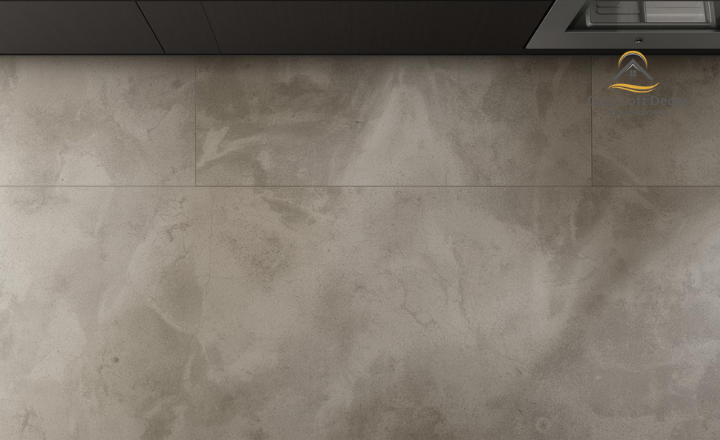
Moreover, seamless flooring opens up a world of design possibilities. It allows for creative transitions between spaces, blurring the lines between the kitchen and adjoining areas, such as dining or living spaces. This fluidity promotes a harmonious flow throughout the home, where the kitchen becomes an integral part of a unified living experience. By incorporating texture and color variations within a seamless system, homeowners can introduce subtle yet impactful design elements, allowing for a modern feel that is both inviting and stylish.
Large Tiles in American Kitchen Designs
Large tiles are transforming American kitchen designs, bringing both style and practicality to the heart of the home. These expansive surfaces not only create a visually striking focal point but also minimize grout lines, resulting in a streamlined look that’s easier to clean. Homeowners are increasingly opting for oversized ceramic or porcelain tiles, which lend a sense of openness and sophistication that smaller tiles often struggle to achieve.
Moreover, the versatility of large tiles allows for a variety of aesthetic interpretations, from rustic charm to sleek modernity. Whether it’s a bold herringbone pattern or a subtle marble finish, these tiles can adapt to any kitchen theme, making them an exciting choice for design-savvy homeowners. As open-concept layouts become the norm, large tiles help bridge the spaces between the kitchen and living areas, promoting a cohesive flow that enhances the overall ambiance. The infusion of expansive tile designs elevates kitchen spaces, encouraging creativity while providing the durability and functionality that active households crave.
Maximizing Natural Light In Small Kitchens
Maximizing natural light in small kitchens not only enhances the ambiance but also creates an inviting atmosphere that can transform the cooking experience. One effective strategy is to opt for light-colored cabinets and countertops, which reflect light rather than absorb it. Consider materials like quartz or glass for your surfaces; their luster can amplify the effect of even minimal sunlight, making your kitchen feel more expansive.
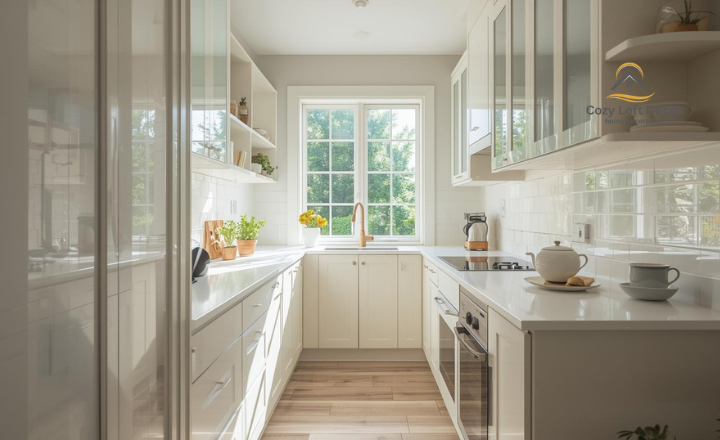
Incorporating mirrors is another innovative approach. Placing a large mirror adjacent to a window can double the sunlight’s impact, giving the illusion of a larger space while brightening dull corners. Additionally, using open shelving instead of bulky cabinets allows light to flow freely, creating a more open and airy feeling. Finally, strategically positioning plants near windows not only brings life into the kitchen but also enhances vertical space while softly filtering light, making it a perfect blend of beauty and functionality.
Reflective Surfaces in Modern Kitchen Design Ideas
Reflective surfaces in modern kitchen design can dramatically transform the atmosphere of the space, creating an interplay of light and shadow that enhances both functionality and aesthetics. High-gloss cabinetry, for instance, not only provides a sleek, contemporary vibe but also helps to amplify natural light, making smaller kitchens feel more expansive. The shimmering finish of materials such as polished marble or glass backsplashes can act as focal points, drawing the eye and adding depth to the overall design.
Incorporating elements like mirrored appliances or metallic accents goes beyond mere aesthetics; they serve a practical role by creating a sense of cohesion in the kitchen. These surfaces can be strategically placed to reflect views or brighten dark corners, offering an illusion of space while also showcasing beautiful culinary creations. Moreover, reflective surfaces can be seamlessly integrated with earthy tones and textures, striking a balance between modern elegance and warm, inviting comfort. By thoughtfully utilizing reflective materials, homeowners can craft a kitchen that not only looks stunning but also feels alive and dynamic.
Installing Task Lighting For Efficiency
In the heart of any kitchen, task lighting serves as both a functional necessity and a design element that can transform your culinary space. Instead of relying solely on overhead fixtures, consider installing under-cabinet lights or pendant lighting that directly illuminates work areas. These targeted sources not only eliminate shadows but also enhance the ambiance, making meal prep more enjoyable.
Moreover, the color temperature of your lighting can significantly impact your efficiency. Warm white lights create a cozy atmosphere, ideal for casual cooking, while cooler lights provide a more focused energy for intricate tasks, like chopping vegetables or reading recipes. By adjusting the type and placement of your task lighting based on the specific activities you undertake, you can create a highly personalized, functional kitchen environment that boosts your productivity and inspires creativity.
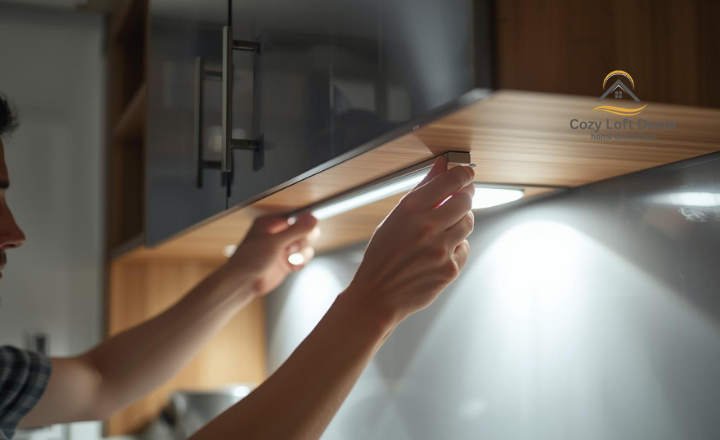
Lastly, don’t overlook the potential for smart lighting technology. Incorporating dimmable options or automated systems can allow you to customize brightness levels based on the time of day or your mood, ensuring that your space remains as dynamic as your culinary endeavors. With thoughtful planning and innovative solutions, task lighting can elevate not just the efficiency of your kitchen, but the entire cooking experience.
Task Lighting in Compact Kitchen Designs
In the realm of compact kitchen designs, task lighting plays a pivotal role in optimizing both functionality and aesthetics. Illumination should not only brighten the workspace but also enhance the culinary experience. For instance, under-cabinet lighting can transform dark countertops into vibrant workstations, making food prep not just efficient but also enjoyable. LED strips or puck lights strategically placed can unveil the elegance of materials and textures, ensuring that the kitchen feels inviting while maintaining its practicality.
Another innovative approach involves incorporating adjustable lighting solutions, like pendant lights or track lighting, to focus on specific areas such as the stove or sink. This flexibility allows homeowners to customize their lighting according to their needs, whether cooking a family meal or entertaining guests. Moreover, layering different types of lighting can create a warm ambiance, seamlessly transitioning from a bright workspace to a cozy gathering spot. In compact kitchens, where every square inch counts, the right task lighting doesn’t just illuminate but enhances the space, making it a functional yet stylish haven.
Selecting Space Saving Appliances
In the quest for maximizing kitchen space, selecting space-saving appliances becomes paramount. Imagine a compact dishwasher that not only fits under your counter but also features advanced washing technology, ensuring that even the toughest grime stands no chance. By investing in dual-purpose appliances, like an oven that doubles as an air fryer, you can streamline your kitchen setup while still enjoying various cooking methods.
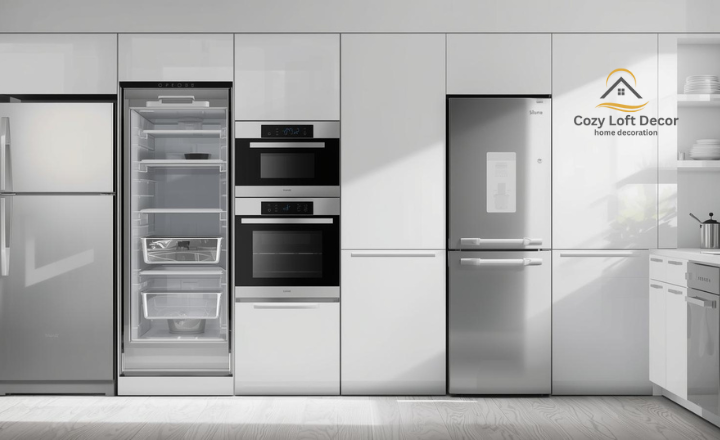
Moreover, consider the aesthetics in your choices; sleek, minimalist designs often enhance the sense of space, making your kitchen feel larger and more inviting. Opting for built-in appliances can also free up valuable counter space, allowing for a clutter-free environment where creativity can flourish. Don’t underestimate the power of vertical storage; utilizing appliances that can be mounted or stacked can transform your kitchen’s functionality without sacrificing style. Embracing these space-saving innovations not only elevates your cooking experience but also fosters a harmonious and efficient home.
Double-Duty Gadgets in latest modern luxury classy kitchen design
In the realm of modern luxury kitchen design, double-duty gadgets are transforming the way we perceive functionality and aesthetics. Imagine a sleek sous-vide machine that not only cooks food to perfection but also serves as an elegant centerpiece on your countertop. These multi-functional tools not only save space but elevate the overall design by blending seamlessly with high-end cabinetry and sophisticated finishes. The integration of technology, like smart ovens that double as air fryers, ensures that every appliance not only meets culinary demands but also contributes to a streamlined, cohesive kitchen environment.
Moreover, portable kitchen islands that incorporate both storage and cooking capabilities have become a must-have in luxe kitchen spaces. These islands can be configured as prep stations or entertaining hubs, enhancing the social aspect of cooking. The trend pushes boundaries by encouraging homeowners to think creatively about how gadgets can enhance both the utility and beauty of their kitchens. As we embrace these innovative solutions, the traditional perception of appliances is evolving, with style and functionality entwined more than ever.
Addition of cabinets and shelves in small modern kitchen
In a small modern kitchen, every inch counts, making the addition of cabinets and shelves a game changer for both style and functionality. Opting for sleek, wall-mounted shelves can create an airy feel while providing essential storage for cookbooks, spices, and decorative elements. These shelves not only maximize vertical space but also serve as a canvas for personal expression, where design meets utility.
Cabinets with integrated lighting can elevate both ambiance and accessibility. Imagine a soft glow highlighting your favorite dishware or creating a warm atmosphere for evening cooking sessions. Additionally, using transparent or open-front cabinets allows you to display your collection while keeping your essentials within reach. This blend of practicality and aesthetics transforms your kitchen into a streamlined space that reflects your culinary passions and lifestyle.
Creating A Focal Point In Your Small Kitchen
A small kitchen doesn’t have to feel cramped or uninspired; in fact, it can become a cozy culinary haven by creating a striking focal point. Consider transforming an ordinary backsplash into a statement piece with vibrant tiles or a unique mural. This not only draws the eye but also adds personality to your cooking space, making it feel larger and more inviting.
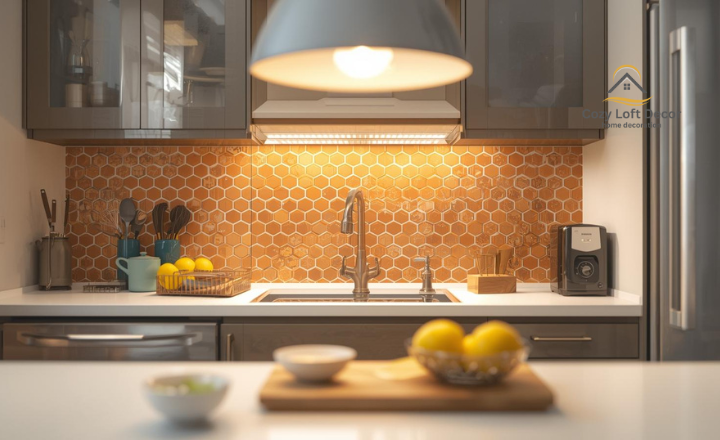
Another way to create a captivating focal point is by incorporating open shelving to showcase beautiful dishware or cookbooks. This not only provides a practical storage solution but also allows you to curate a stylish display, enhancing the overall aesthetic of your kitchen. Lighting is also key invest in a striking pendant light above an island or countertop that not only illuminates the space but also serves as a stunning centerpiece. By meticulously selecting design elements that resonate with your style, you can effortlessly elevate your small kitchen into a charming and functional sanctuary.
Focal Points in Small Kitchen Designs: Adding Style and Character
In small kitchen designs, focal points serve as the beating heart, infusing the space with character and charm. By strategically placing a unique backsplash perhaps a bold, patterned tile or a moody, textured surface you can create an eye-catching centerpiece that draws the eye and transforms the room’s energy. This small tweak not only elevates the design but also sets the tone for the entire kitchen, encouraging playful color combinations and innovative accessories.
Moreover, consider showcasing open shelving to display curated dishware or vibrant cookbooks. This approach not only maximizes vertical space but also personalizes the kitchen, allowing your style and culinary passions to shine. A well-placed statement light fixture can also serve as a sculptural element that adds sophistication while illuminating the workspace beautifully. By focusing on these design elements, small kitchens can become not just functional areas but also stylish havens reflecting your unique aesthetic.
Incorporating Modern, Sleek Materials
Modern kitchens are all about clean lines, minimalist design, and materials that balance functionality with style. Incorporating sleek, contemporary materials can instantly transform a kitchen into a space that feels elegant, open, and highly efficient. Here are some of the most popular modern materials and how to use them effectively.
1. Stainless Steel for a Professional Look
Stainless steel remains a top choice for modern kitchens. It’s durable, easy to clean, and gives appliances, countertops, and fixtures a polished, industrial feel. To avoid the space feeling too cold, pair stainless steel surfaces with warm wood accents or matte finishes.
2. Quartz Counter tops for Durability & Style
Quartz offers the perfect blend of beauty and strength. Unlike natural stone, quartz is non-porous, making it resistant to stains and bacteria. It comes in a variety of sleek styles from pure white to marble-like patterns ideal for minimalistic kitchen designs.
3. Glass Elements for Light & Transparency
Glass backsplashes, cabinet inserts, and shelving add brightness and a refined edge. Clear or frosted glass keeps the space uncluttered and modern. Glass backsplashes are especially popular because they reflect light and are easy to wipe down.
Maximizing Counter Top Space For Small Modern Kitchens
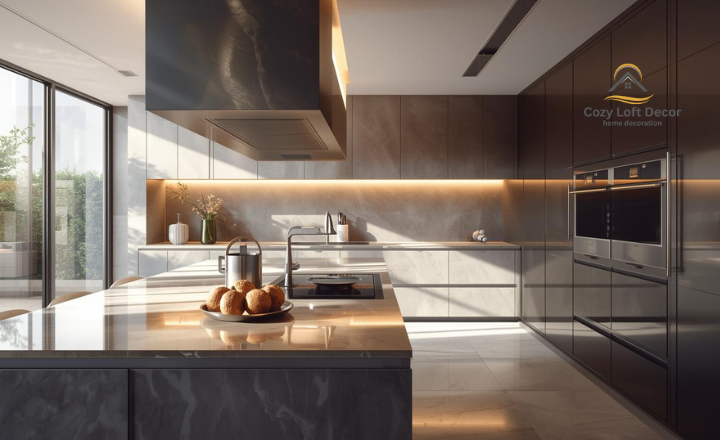
Maximizing counter top space in small modern kitchens is all about smart design and efficient storage. Choosing multi-functional appliances, using vertical wall space, and integrating built-in appliances can significantly reduce clutter and free up working areas. Features like pull-out cutting boards, over the sink accessories, and fold-down extensions provide extra prep space without taking up permanent room. Light colors, minimal decor, and sleek, streamlined materials also help the kitchen feel more open and spacious. With thoughtful planning, even the smallest modern kitchen can offer plenty of functional, stylish counter top space.
Top American Kitchen Designs: Blending Steel, Glass, And Comfort
Top American kitchen designs seamlessly blend modern materials like steel and glass with elements that create comfort and warmth. Stainless steel appliances and sleek hardware introduce a polished, contemporary feel, while glass backsplashes and cabinet inserts add brightness and an open, airy look. To balance these modern features, designers use warm wood finishes, soft lighting, and neutral color palettes that make the space inviting and practical for everyday living. This thoughtful mix of style and comfort is what makes American kitchens both visually striking and highly functional.
Key Design Trends Shaping Small Kitchens Today
Small kitchens are being transformed by smart, space conscious design trends that focus on efficiency, style, and simplicity. Minimalist layouts with clean lines and clutter-free surfaces help maximize space, while multi functional features such as pull-out counters, compact appliances, and over-the-sink accessories add practical working areas without crowding the room. Light color palettes, reflective materials, and integrated lighting create a brighter, more open feel, making small kitchens appear larger than they are. Vertical storage solutions, like floating shelves and wall-mounted rails, free up counter top space and keep essentials within easy reach. Together, these modern trends allow even the smallest kitchens to feel organized, stylish, and highly functional.
Conclusion
In conclusion, the small modern kitchen design ideas trends of 2025 offer a refreshing blend of style and functionality that caters to the needs of contemporary living. By embracing minimalism, smart storage solutions, and innovative materials, homeowners can create inviting spaces that maximize both aesthetics and efficiency. Key elements such as open shelving, multi-functional furniture, and vibrant color palettes can transform even the tiniest kitchens into culinary havens. As you explore these design ideas, remember that personalization is key; incorporate your unique taste to make the space truly yours. So, whether you’re planning a remodel or starting from scratch, take these trends into account and elevate your kitchen experience today!
FAQs
How can I make my small kitchen look bigger?
To visually enlarge a small kitchen:
Use light colors (white, beige, soft grays).
Incorporate reflective surfaces like glass, stainless steel, or glossy finishes.
Opt for open shelving or glass-front cabinets.
Maximize natural light with minimal window coverings.
What are the best layout options for small kitchens?
The most efficient layouts for small kitchens include:
Galley (corridor-style) – two parallel counters.
L-shaped – uses two adjoining walls.
U-shaped – surrounds the cook on three sides (ideal for tiny closed kitchens).
Single-wall – best for studio apartments or open-plan spaces.
What color schemes work best for small modern kitchens?
Neutral tones like white, gray, or taupe help make small kitchens feel more open. You can add contrast with matte black accents, wood textures, or a bold backsplash.
How can I blend a small kitchen into an open-plan space?
Use a consistent color palette and materials across the kitchen and living areas. Open shelving and integrated appliances help the kitchen feel like a natural extension of the main space.