
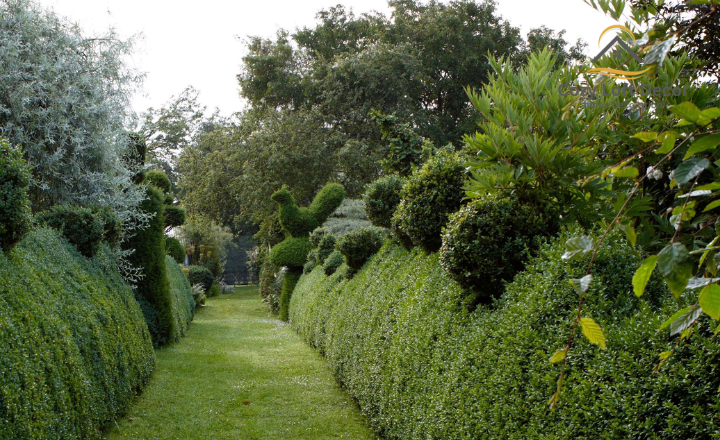
An overgrown garden can feel overwhelming, turning a once-beautiful outdoor space into a cluttered and unmanageable area. Tips for Taming an overgrown garden becomes much easier when you approach it with the right plan and mindset.
Instead of trying to fix everything at once, focusing on smart, step-by-step solutions helps restore order without stress. With proper pruning, clearing, and regular maintenance, even the most neglected garden can be revived. These top tips for taming an overgrown garden are designed to help you regain control, improve plant health, and create a space that feels inviting again.
Have a Plan Tips for Taming an Overgrown Garden
Before you start clearing an overgrown garden, take time to assess the space and set clear goals. Decide which plants to keep, which areas need heavy trimming, and what can be removed entirely.
A simple plan helps you work efficiently, avoid damaging healthy plants, and ensures your efforts lead to a well-organized, manageable garden.
One Patch At A Time
Tackling an overgrown garden one patch at a time makes the entire process far more manageable and less stressful. Instead of trying to clear everything in one go, focusing on small sections helps you stay organized. This approach allows you to give proper attention to each area without rushing.
You can clearly see progress as each patch is completed, which keeps motivation high. Working gradually also reduces the risk of damaging healthy plants. In the end, small consistent efforts lead to a fully restored and well-maintained garden.
Sharpen Your Tools
Keeping your tools sharp is essential when tackling an overgrown garden. Sharp tools make cutting through thick branches and dense growth much easier. They allow for clean, precise cuts that promote healthier plant regrowth.
Using dull tools can damage plants and slow down your progress. Well-maintained tools also reduce physical strain and fatigue. Overall, sharpening your tools helps you work more efficiently and achieve better results.
Mow First
Before diving into heavy pruning or clearing, start by mowing any tall grass and ground-level overgrowth. This initial step makes it easier to see what you’re dealing with and prevents weeds from taking over again.
Mowing first also creates a cleaner workspace, allowing you to tackle shrubs, bushes, and other plants more efficiently. It sets the stage for a more organized and manageable garden restoration.
Define Edges
Clearly defining the edges of your garden beds and pathways instantly makes an overgrown garden lookneater and more organized. Use tools like a spade, edging knife, or even simple string lines to create clean borders. Well-defined edges help prevent grass and weeds from encroaching into flower beds.
They also make mowing and maintenance easier in the long run. Adding edging materials like stones, bricks, or timber can enhance both functionality and aesthetics. Ultimately, defining edges gives your garden a polished, intentional look.
To End
These five tips will help make the process feel more exciting and far more doable. By the end, your garden and your confidence will look much better.
Conclusion
In conclusion, taming an overgrown garden is all about taking a thoughtful and consistent approach rather than rushing the process. With careful planning, strategic pruning, and regular upkeep, even the most chaotic outdoor space can be transformed into a healthy and attractive garden.
By following these tips and staying committed to simple maintenance, you can enjoy a well-kept garden that remains manageable and beautiful throughout the year.